Venezuelan government begins releasing political prisoners
Explain Like I'm 5
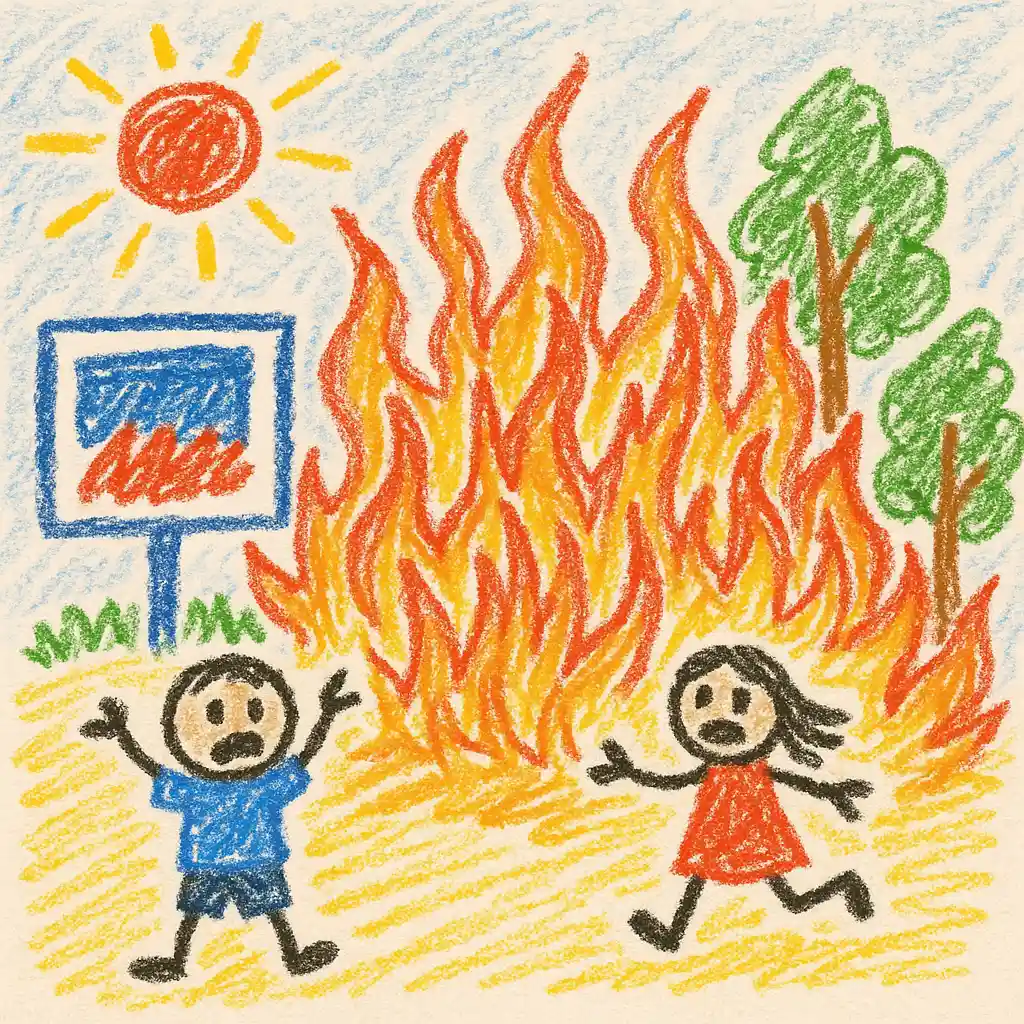
Imagine you have a box of your favorite cookies that you're not supposed to eat until after dinner, but your friend really wants a cookie now. After a lot of asking and maybe a little bit of a trade (like they'll give you their dessert tomorrow), you decide to open the box and give them one. In Venezuela, the government had some people in jail who many other countries believed shouldn't be there—these are called "political prisoners." The United States, a big powerful country, really wanted Venezuela to let these people go. After some discussions, the Venezuelan government started to let some of these prisoners go home, kind of like giving out the cookies.
Explain Like I'm 10
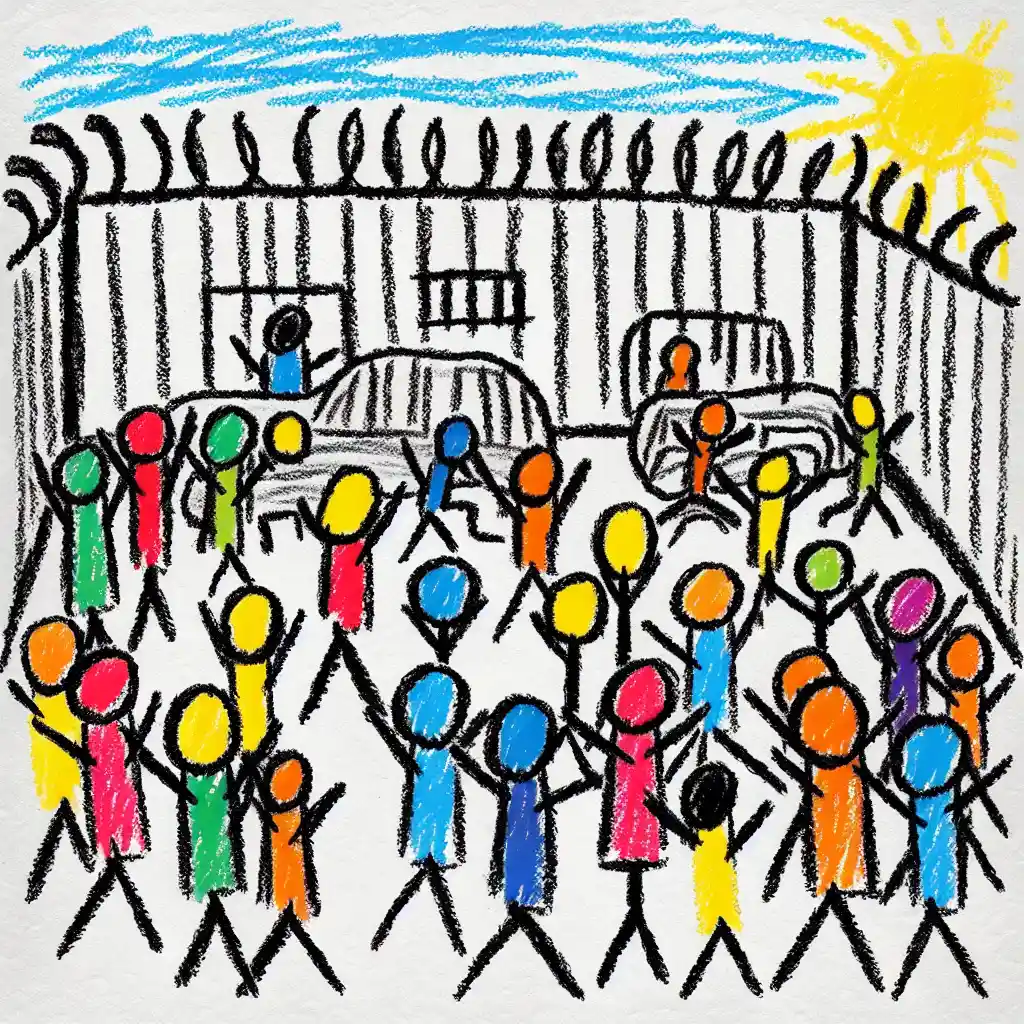
In Venezuela, which is a country in South America, the government had arrested and kept some people in jail because they didn't agree with the government or protested against it. These people are called political prisoners. Other countries, especially the United States, didn't think it was fair for these people to be in jail just because they had different opinions or were protesting. The U.S. has been very vocal and put a lot of pressure on Venezuela to release them.
Recently, something big happened: the U.S. captured Nicolás Maduro, who is the President of Venezuela. After this happened, the Venezuelan government started to let some of these political prisoners go free. It’s like when your mom finally agrees to let you play outside after you've finished your homework and chores. The release of these prisoners is a big deal because it might mean the government is willing to make more changes or it could be a way to show they want to fix their relationship with other countries, especially the U.S.
Explain Like I'm 15
Venezuela has been under a lot of international pressure for a while, particularly from the United States, regarding human rights issues and political freedom. The country has had numerous political prisoners—individuals who were arrested for opposing the government's policies or for participating in protests. Holding political prisoners is often viewed negatively worldwide as it goes against the principles of free speech and democracy.
Recently, a significant event occurred: the U.S. captured Venezuelan President Nicolás Maduro. This move has major geopolitical implications and is seen as a significant escalation in the tensions between Venezuela and the U.S. Following this, the Venezuelan government began to release some of its political prisoners. This action could be interpreted as an attempt by the Venezuelan government to soften its image internationally and possibly reduce tensions with the U.S.
The release of these prisoners might lead to further negotiations or discussions on improving human rights in Venezuela. It also raises questions about the future of Venezuela's political landscape and its relations with major international powers, particularly in how the U.S. will respond moving forward. The situation remains dynamic, and the world is watching to see how it will evolve, affecting not only Venezuela's internal policies but also its international relations.
Want to read the original story?
View Original Source