Violence escalates in Colombia with dozens of attacks before presidential vote
Explain Like I'm 5
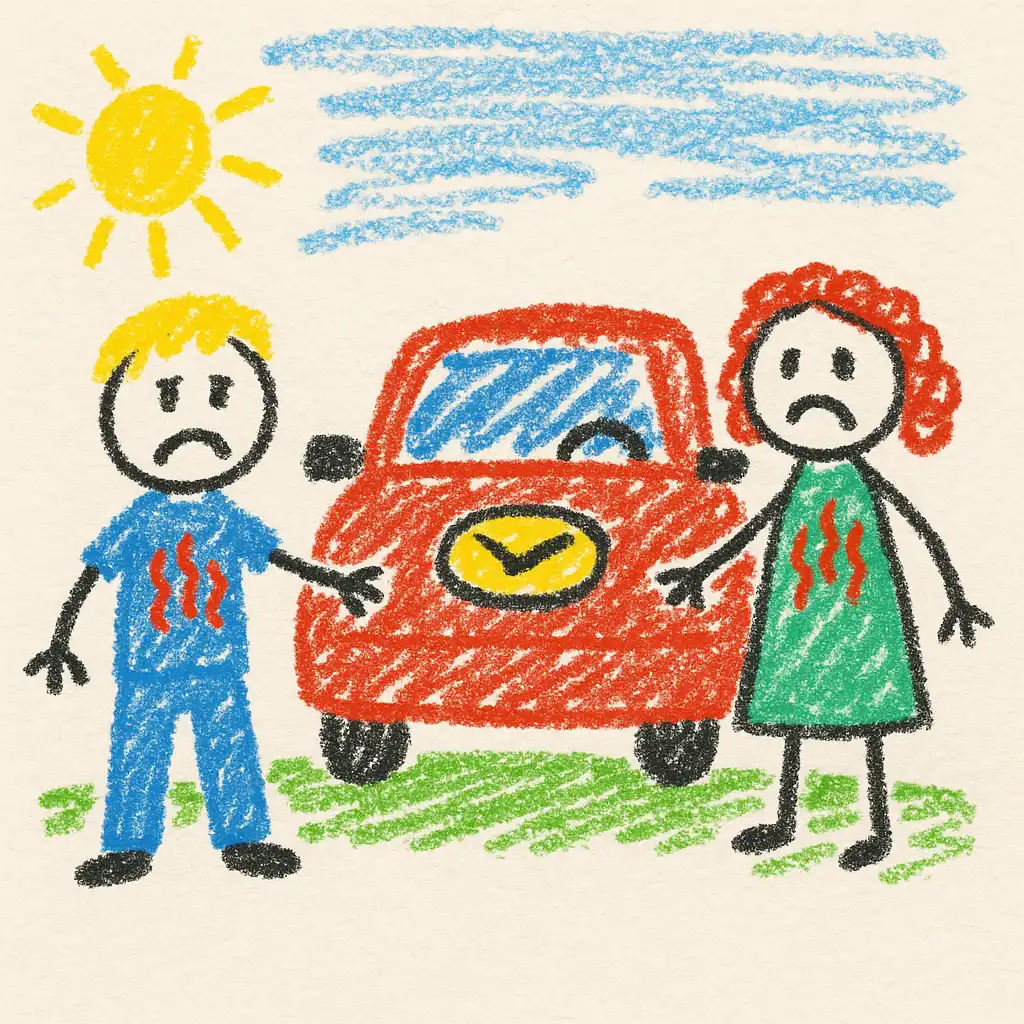
Imagine you have a big box of crayons, and you and your friends are deciding which color to use for a big drawing. But, some of your friends start arguing because everyone has a favorite color and they can't agree. In Colombia, which is a country far from here, people are getting ready to choose their leader in what we call a presidential election. However, some groups are very unhappy and are causing trouble. They are not using words to show they are upset; instead, they are acting out, like kicking over blocks or scribbling outside the lines, which is scaring others. This has made many people worried as they get ready to make their big decision.
Explain Like I'm 10
In Colombia, a country in South America, people are preparing to vote for their new president soon. However, there's a big problem because some groups are very unhappy with how things are going. These groups are causing violence, attacking places where people live and where soldiers stay to make sure everyone is safe. It's a bit like when someone in class disrupts everyone because they're upset, except this is much more serious because it involves the safety of many people.
This is happening mostly in the southwestern part of Colombia, a region that has seen a lot of trouble over the years. These attacks have made people very concerned about how safe it will be to vote. Just like in school, when everyone needs to feel safe to learn and play, everyone needs to feel safe to vote, too.
Explain Like I'm 15
In Colombia, a nation with a history of political and social turmoil, tensions are flaring up as the presidential election approaches in May. The recent spike in violence, particularly in the southwestern regions, involves attacks on both civilians and military bases. This region has historically been a hotspot due to the presence of various armed groups, some of whom have been involved in drug trafficking and have political grievances.
The violence is seen by many as an attempt to disrupt the electoral process and undermine public confidence in the government's ability to maintain security. It's a bit like how a hacker might try to undermine confidence in a system by exposing its vulnerabilities, except here, the tools are violence and intimidation rather than computers.
This escalation is not just a series of isolated incidents; it's part of a broader context of conflict that Colombia has grappled with for decades. The country has seen efforts at peace and reconciliation, most notably the peace agreement with FARC rebels in 2016, but the path has been rocky and the full implementation of agreements and ensuring lasting peace remains a challenge.
These attacks pose a direct challenge to the democratic process, potentially influencing the political landscape and the upcoming elections. The situation is a critical test of Colombia's resilience and its ongoing pursuit of peace and stability. What happens next could shape the country's direction for years to come, impacting everything from domestic policies to international relations.
Want to read the original story?
View Original Source