Wales 'crisis' over wildfires amid concern about lack of helicopters
Explain Like I'm 5
Okay, imagine you're at a big birthday party, and someone accidentally knocks over a cake. Now, everyone is trying to clean it up, but they can't find enough napkins! That's a bit like what's happening in Wales. There are wildfires, which are like giant fire monsters that are making the woods really hot and tricky. The people in charge are trying to put out these fire monsters, but they don't have enough helicopters, which are like super fast napkins that can help sprinkle water on the fire.
So, the big takeaway is: Wales has a fire problem, and they're worried they can't put it out quickly enough because they don't have enough helicopters to help!
Explain Like I'm 10
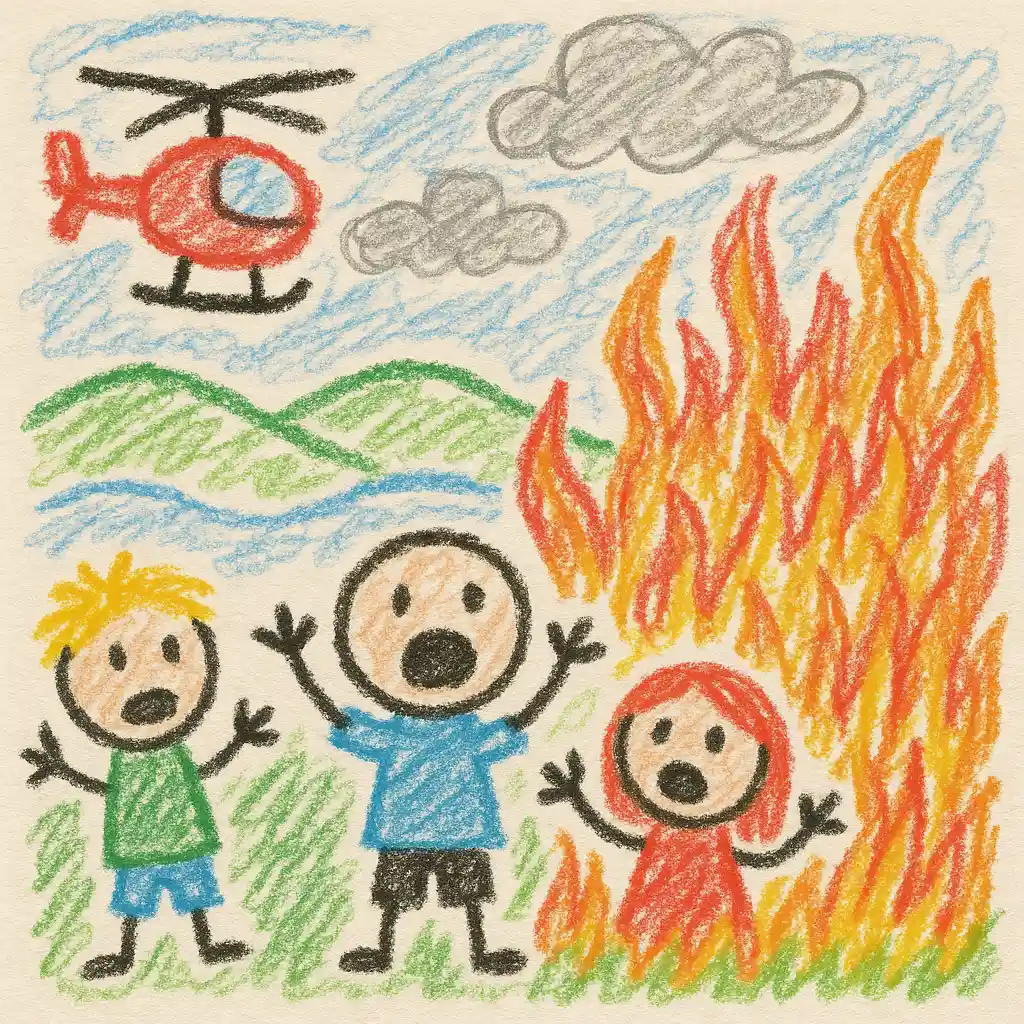
So, in Wales, there are some really big wildfires happening right now, and the Welsh government is hitting the panic button—kind of like when you realize you forgot to study for a test and you start sweating. They're worried because they don't have enough helicopters to help put these fires out. Helicopters can drop water on the flames, just like a superhero swooping in to save the day!
The reason this is happening now is that it’s been super dry and hot, which makes it easier for fires to start and spread. The main players here are the Welsh government, the firefighters on the ground, and the helicopters that are supposed to help. If they can't get the fires under control, it could lead to more damage, like harming wildlife and destroying homes.
Explain Like I'm 15
Alright, let’s dive deeper into this situation in Wales. The current crisis is linked to an alarming rise in wildfires, spurred by a combination of dry weather and increased temperatures, which create prime conditions for fires to ignite and spread. The Welsh government has activated its crisis plans, indicating the seriousness of the situation. They’re essentially in “emergency mode,” trying to tackle these wildfires that threaten both natural habitats and communities.
The key issue here is the shortage of helicopters, which are critical for aerial firefighting. These helicopters can drop massive amounts of water quickly, making them essential tools in combating wildfires. Without enough of them, the ground crews—who are already working hard—are left at a disadvantage. This shortage raises questions about resource allocation and preparedness for natural disasters.
Historically, wildfires have been a growing concern in various parts of the world, but the frequency and intensity of these incidents are increasing due to climate change. In a broader context, this could lead to serious economic impacts, including damage to tourism and local economies, and social implications, like displacement of communities.
Looking ahead, experts are likely to call for better resource management and investment in firefighting tools, including more helicopters. If the situation doesn't improve, we could see even more significant fires, prompting discussions about long-term strategies to mitigate such crises in the future. So, while Wales is scrambling now, this situation could have lasting effects on how we deal with wildfires everywhere.
Want to read the original story?
View Original Source