War in Ukraine spills into Hungarian election campaign
Explain Like I'm 5
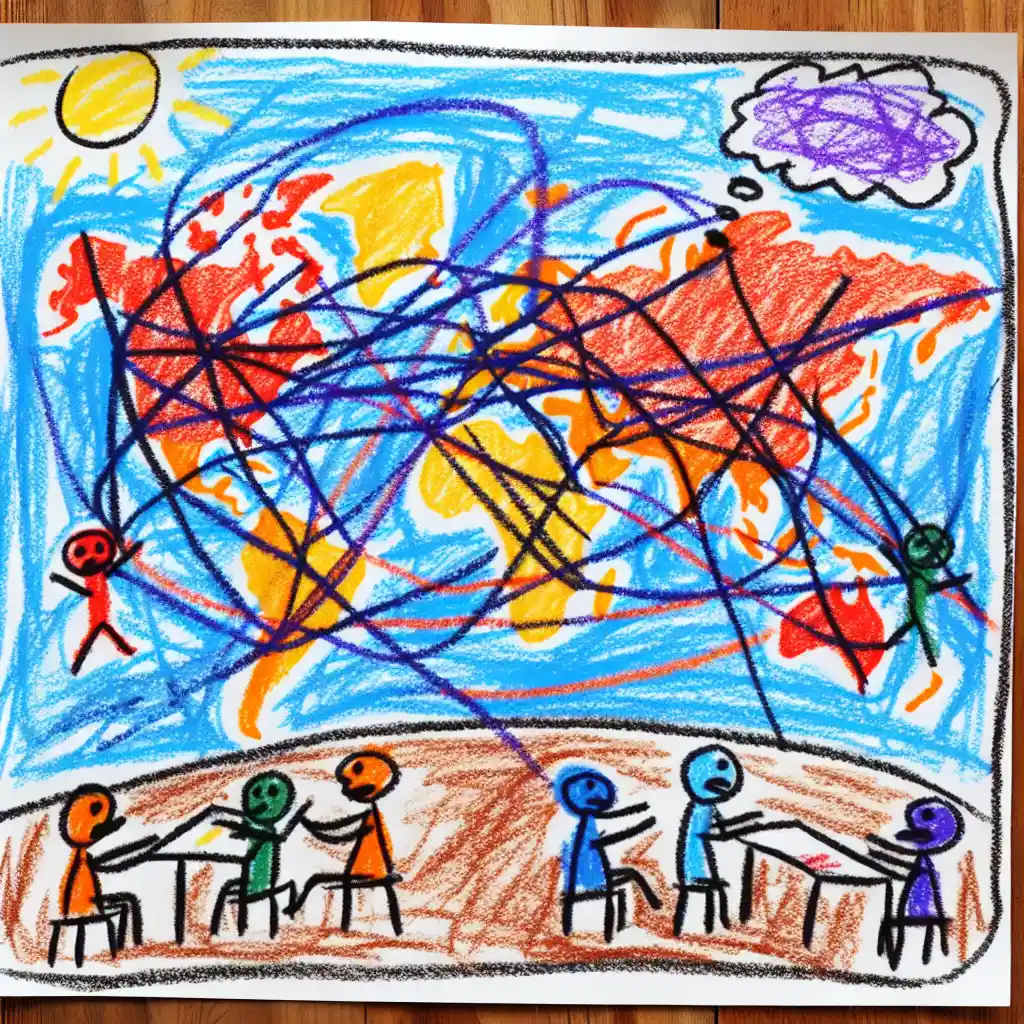
Imagine you have two friends on the playground who are having a big argument. Now, you're trying to play a game of tag, and suddenly, one friend starts saying that the other friend is the reason why the game isn't fun anymore. Even though the fight between your two friends isn't really about the game of tag, it suddenly becomes a big part of it. This is a bit like what's happening in Hungary right now. Hungary is having an important time where people vote for who they want as their leader, and the current leader, Prime Minister Viktor Orbán, is pointing at Ukraine's president and saying he's a problem, even though the big fight (the war) mostly isn't directly about Hungary.
Explain Like I'm 10
Hungary is about to vote for their leaders, which is like choosing a class president who makes decisions on behalf of everyone. The current class president of Hungary, Prime Minister Viktor Orbán, is using a big issue—the war in Ukraine—as part of his campaign to get re-elected. Even though this war is mainly between Ukraine and Russia, it affects other countries too, including Hungary. Orbán is telling people that the president of Ukraine is one of their problems, making the Ukrainian president seem like a character in a game who is causing trouble. This is happening because sometimes leaders use big issues to show that they can handle tough situations or to get people to support them by uniting them against a common 'villain.'
Explain Like I'm 15
Hungary's election scene is heating up, and Prime Minister Viktor Orbán is strategically placing Ukraine's conflict at the center of his campaign narrative. This isn't just about local issues but involves the broader geopolitical tension in Eastern Europe. The war between Ukraine and Russia has widespread implications, affecting political, economic, and security policies across the region. By focusing on Ukraine's president as a public enemy, Orbán might be trying to consolidate his power by rallying nationalist sentiments and diverting attention from other domestic issues. This tactic isn't new in politics; leaders often use external conflicts to create a sense of unity or urgency among their citizens. The outcome of this election could influence Hungary's future relations with the EU and its stance toward the conflict in Ukraine. As voters head to the polls, they're not just deciding on local policies but are indirectly influencing their country's international positioning as well.
Want to read the original story?
View Original Source