Warehouse fire prompts state of emergency in New Jersey
Explain Like I'm 5
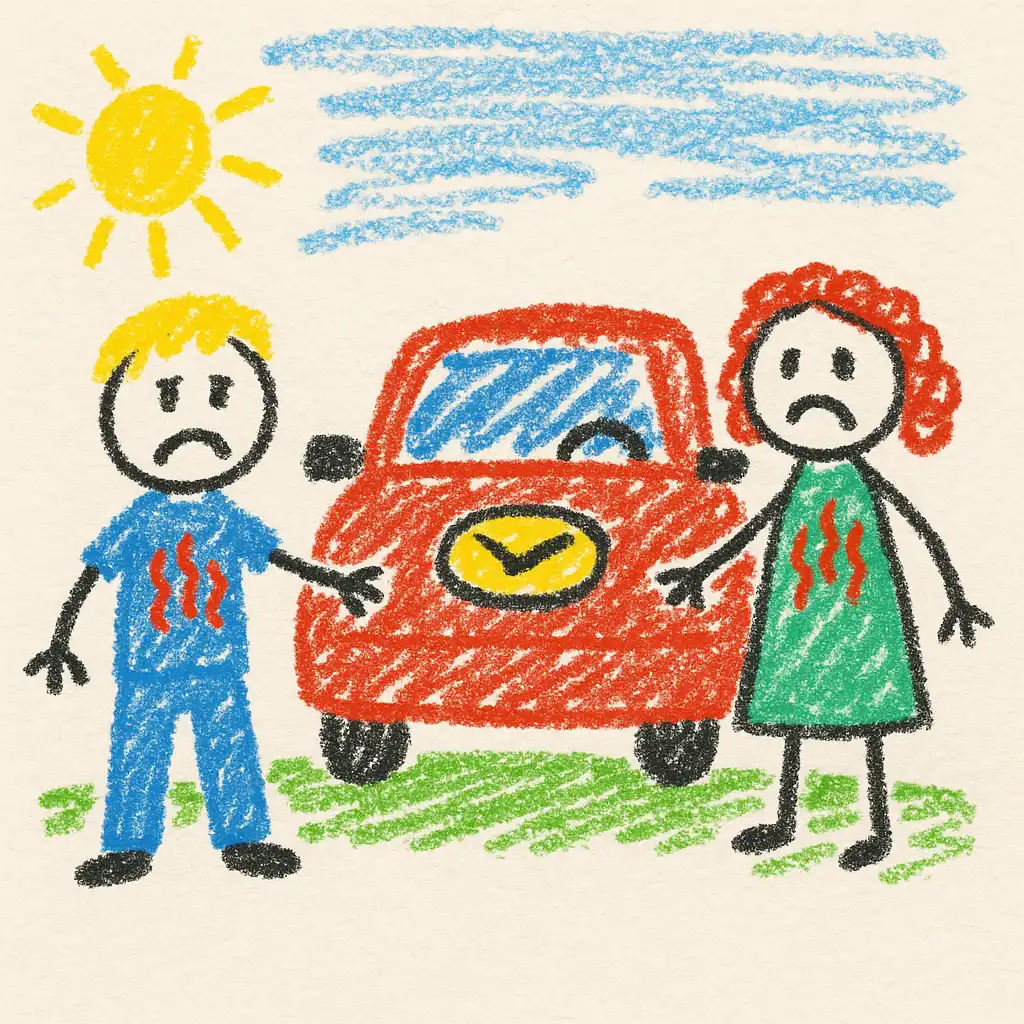
Imagine you have a big box of crayons, and one day, they start to melt all over your playroom because it’s super hot. Now, because the mess could ruin your carpet and make it stinky and unsafe to play there, your mom declares it a "playroom emergency." She does this to make sure everyone works fast to clean up and make it safe again for you. In New Jersey, something similar happened but way bigger. A warehouse (a giant storage house) caught fire, which is like the melting crayons, but much more dangerous. Because it was so big and could hurt people and other buildings, the leaders of New Jersey said, "This is an emergency," so they can quickly fix everything and keep everyone safe.
Explain Like I'm 10
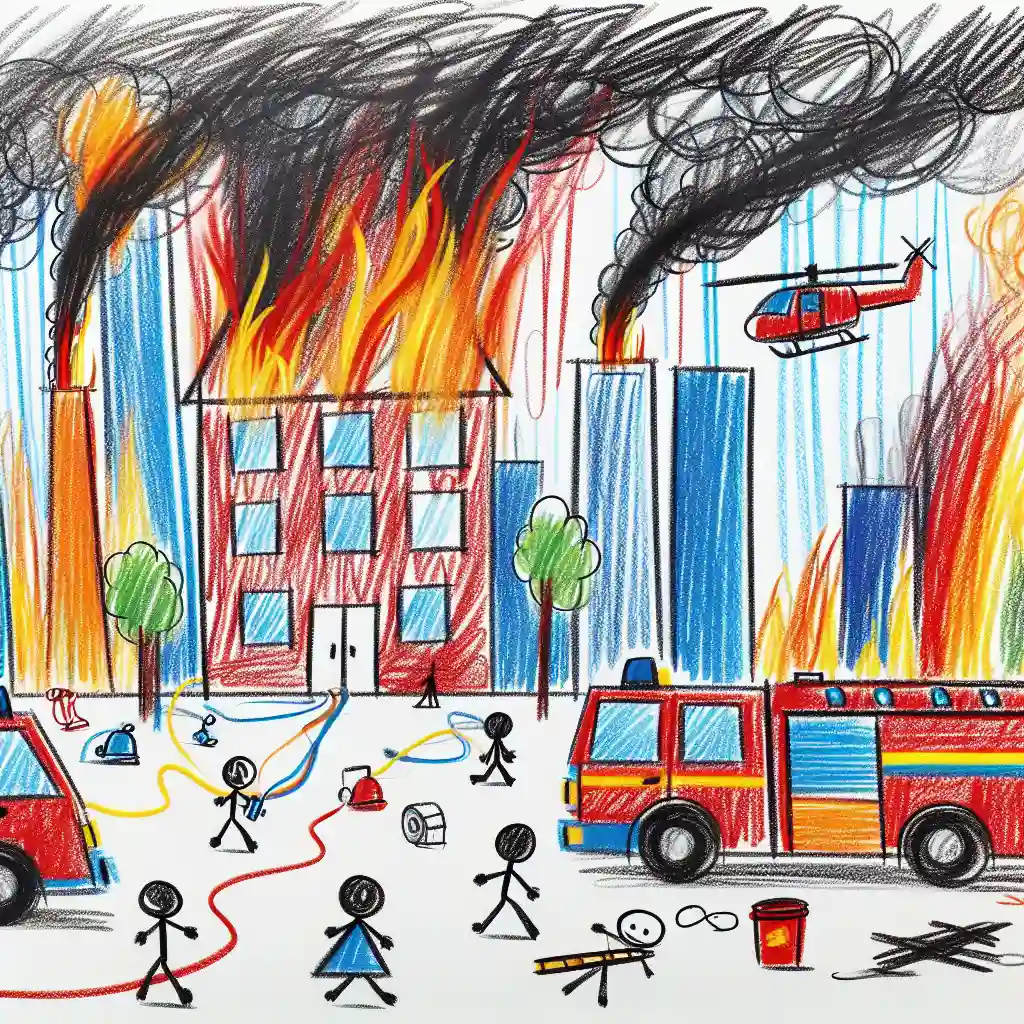
Imagine a giant warehouse, kind of like a superhero’s fortress but for storing stuff, catches on fire in New Jersey. This is not just a tiny campfire; it's a massive blaze, bigger than a school. Because the fire is so big and can spread or cause a lot of smoke, the people who run the state, kind of like the principal of a school, decided they needed to call a “state of emergency.” This is a serious action, like calling in all the teachers to help with a school problem. It means that they can get more firefighters and help from other places quickly, not just from New Jersey but maybe from other states too, to control the fire and make sure everyone is safe. They did this because the fire could make the air bad to breathe or even cause problems for nearby roads or other buildings.
Explain Like I'm 15
So, here’s the scoop: A major warehouse fire erupted in New Jersey, prompting state officials to declare a state of emergency. This isn't just about firefighting bravado; it's a strategic move. By declaring a state of emergency, the local government unlocks resources and support much faster than usual. They can bring in extra firefighters, potentially from other states, and even tap into federal aid if needed. This kind of response is crucial because a warehouse fire isn't just a local issue—it can affect air quality, disrupt traffic, and threaten nearby residential and commercial areas.
Now, zooming out a bit, warehouse fires can be particularly nasty because warehouses often store a lot of goods packed together, which can make the flames spread faster and become harder to control. Plus, depending on what’s stored there—like chemicals or flammable materials—the smoke can be toxic, posing a health hazard to the community. The economic ripple effects are also significant; businesses lose goods, and the disruption can impact local jobs and the supply chain. What happens next will depend on the effectiveness of the emergency response and the investigation into the fire's cause. Understanding this will help prevent similar incidents in the future and shape policies for industrial safety.
Want to read the original story?
View Original Source