Wars final verdict explained by Dominic West and Sienna Miller
Explain Like I'm 5
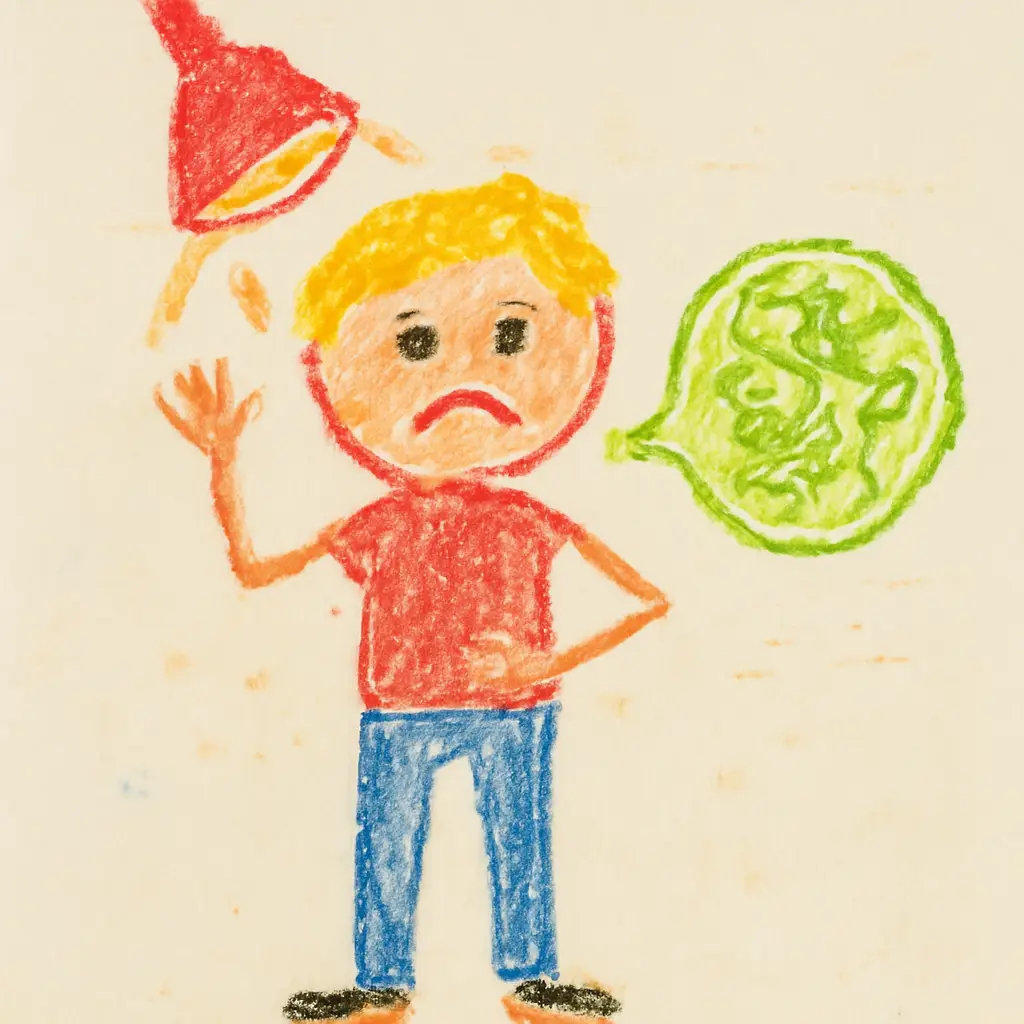
Okay, imagine you and your friends are playing a game, like tag, but instead of trying to be the last one standing, you all decide that everyone is going to win or no one is going to win. That’s kind of what the actors Dominic West and Sienna Miller are saying about their new show "War." They want to show that in this story, there aren't just good guys and bad guys; everybody has feelings and reasons for what they do.
The big takeaway? In "War," no one is really a loser or a winner, and that makes the story more interesting and real!
Explain Like I'm 10
So, in the show "War," Dominic West and Sienna Miller play important roles, and they’re talking about how the story is set in a conflict where things aren't black and white. They want to show that war is complicated, just like when you argue with friends. It's not just about who wins or loses; it's about understanding everyone's point of view.
Right now, this is a hot topic because many people are tired of stories that only show one side of things. They want to explore the gray areas, where everyone has their own reasons for acting the way they do. By doing this, the show aims to spark conversations about empathy and understanding in real life, too.
Explain Like I'm 15
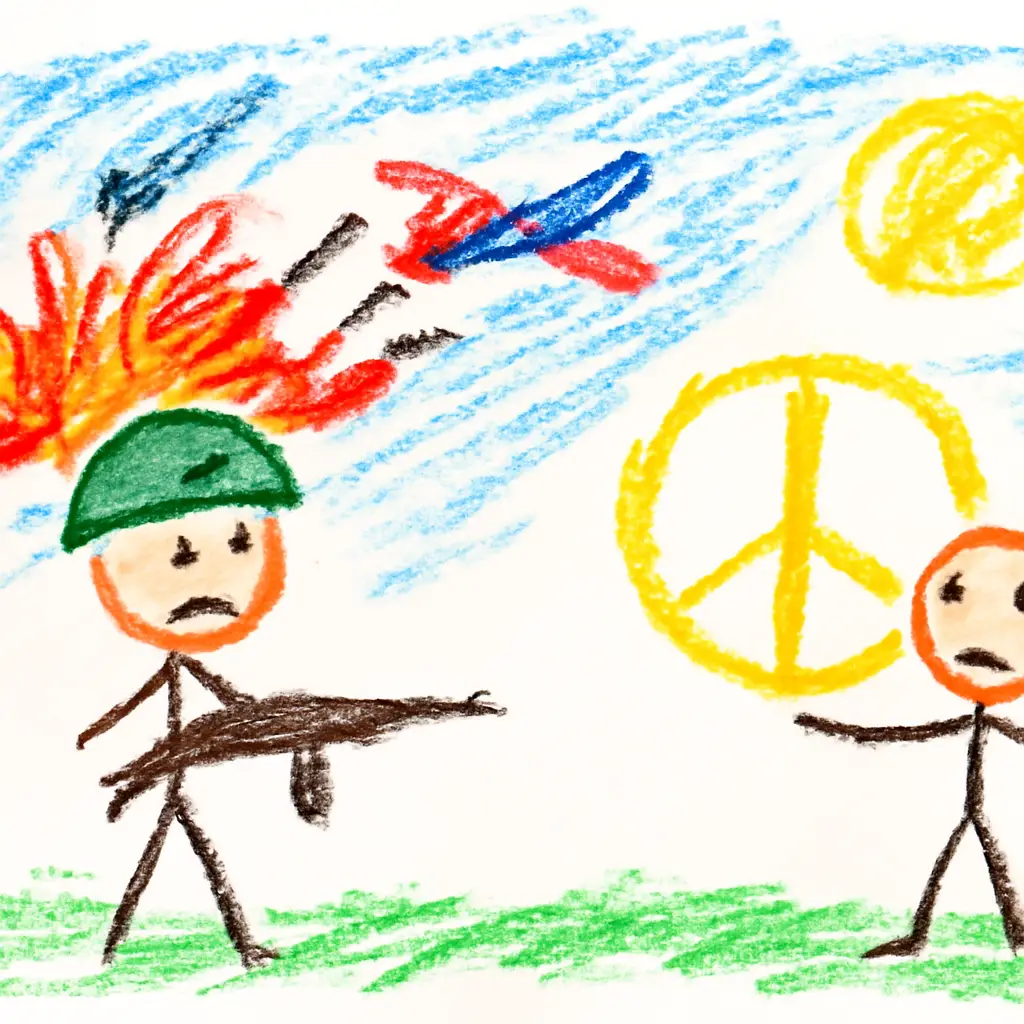
In the latest discussion surrounding the show "War," actors Dominic West and Sienna Miller emphasize the significance of portraying conflict without clear winners or losers. This approach is especially relevant today, as audiences increasingly crave narratives that reflect the complexities of real-life struggles. Instead of sticking to traditional tropes where one side is entirely justified, the show invites viewers to explore the emotional and moral dilemmas faced by all characters involved.
The historical context behind this is quite fascinating. For years, many films and shows have depicted war in a very black-and-white manner, often glorifying one side while vilifying the other. This can oversimplify the harsh realities of conflict, where motivations are often mixed and people are caught in circumstances beyond their control. By challenging this narrative, "War" taps into a growing desire for stories that encourage reflection and dialogue about the human experience.
As for the broader implications, this shift in storytelling could influence how future media is created and consumed. If more creators follow suit, we might see a trend toward more nuanced representations of conflict in entertainment. It raises questions about how we view morality, justice, and the consequences of our actions, both in fiction and in our own lives. Experts suggest that this could lead to a deeper understanding and empathy for differing perspectives, which is something we could all use more of in today’s world. What happens next? Only time will tell if this approach resonates with audiences, but it certainly sparks an interesting conversation!
Want to read the original story?
View Original Source