What baby teeth reveal about developing baby brains
Explain Like I'm 5
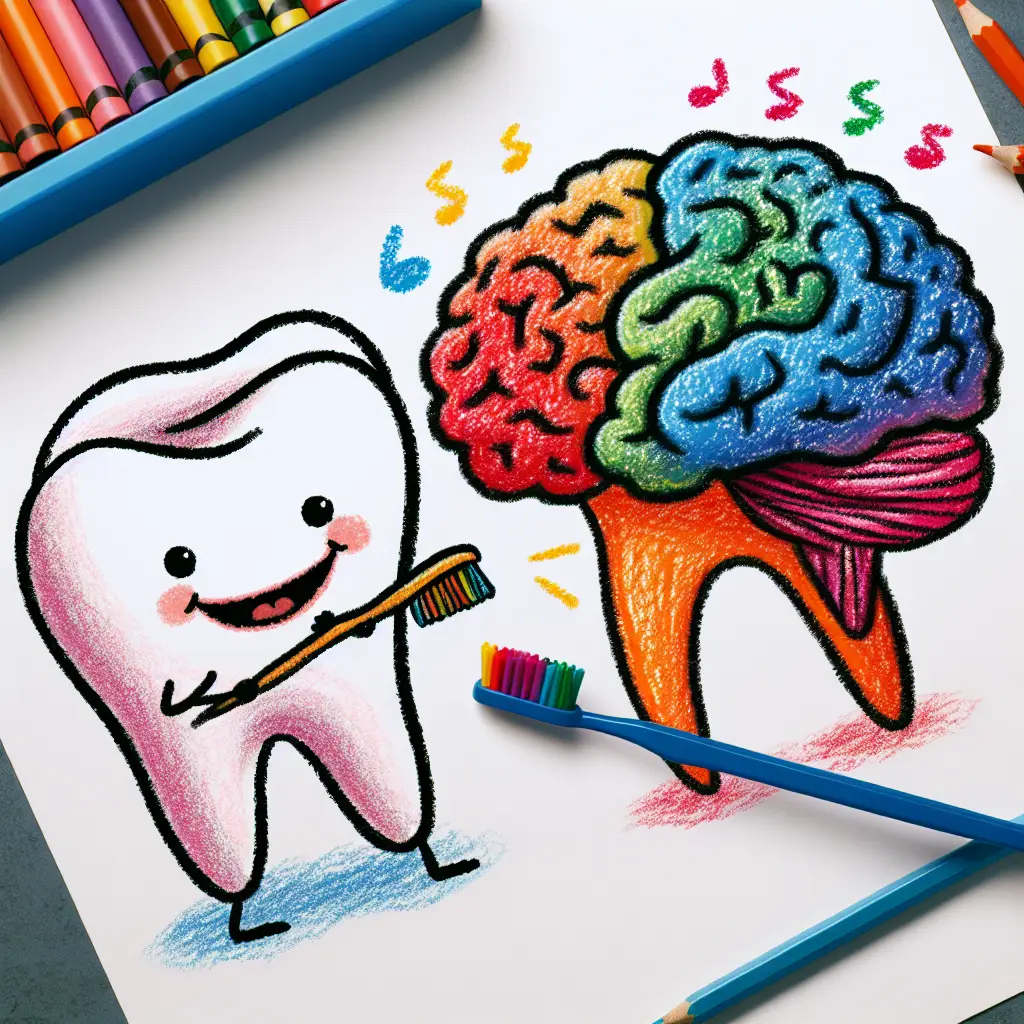
Imagine you have a magic diary that writes down everything you eat, and how it makes you feel. Now, baby teeth are kind of like that magic diary for little kids, but instead of writing down food, they "write down" tiny bits of stuff from the environment, like metals. Scientists have found out that these teeth records can show us when baby brains are really busy growing and might get upset if they meet bad metals. It's like finding out which parts of a video game level are the hardest, so you know when you need to be extra careful!
Explain Like I'm 10
Okay, so you know how trees have rings that tell us how old they are and what the weather was like each year? Baby teeth are somewhat similar. When scientists look at baby teeth, they can see what kind of metals, like lead or zinc, were around the child when their teeth were growing. This new study tells us that there are specific times when a baby's brain is really sensitive to these metals. If the metals are the bad kind, it could affect how well the brain develops. It's like knowing which days are super important at school so you wouldn’t miss the big lessons. This helps doctors and parents understand when they need to be extra careful about keeping things like harmful metals away from kids.
Explain Like I'm 15
When we're little, our brains go through massive growth spurts. Scientists have discovered that our baby teeth, much like the annual rings in a tree, record environmental exposures during these growth phases. This recent study has identified certain times in early childhood when the brain is particularly vulnerable to metal exposures, such as lead or mercury. These metals can interfere with how brain connections are formed. Think of it as if the brain's wiring is being laid down, and these metals can cause short-circuits. Researchers use sophisticated tools to analyze the chemical makeup of shed baby teeth, pinpointing when these exposures were most harmful. This is crucial because it helps us understand and hopefully prevent developmental issues in children. It's a game-changer for public health, potentially leading to stricter controls on environmental pollutants to safeguard developing brains. This could mean better guidelines and protections, reducing the risk of learning disabilities and other developmental problems.
Want to read the original story?
View Original Source