What early election results show us in maps and charts
Explain Like I'm 5
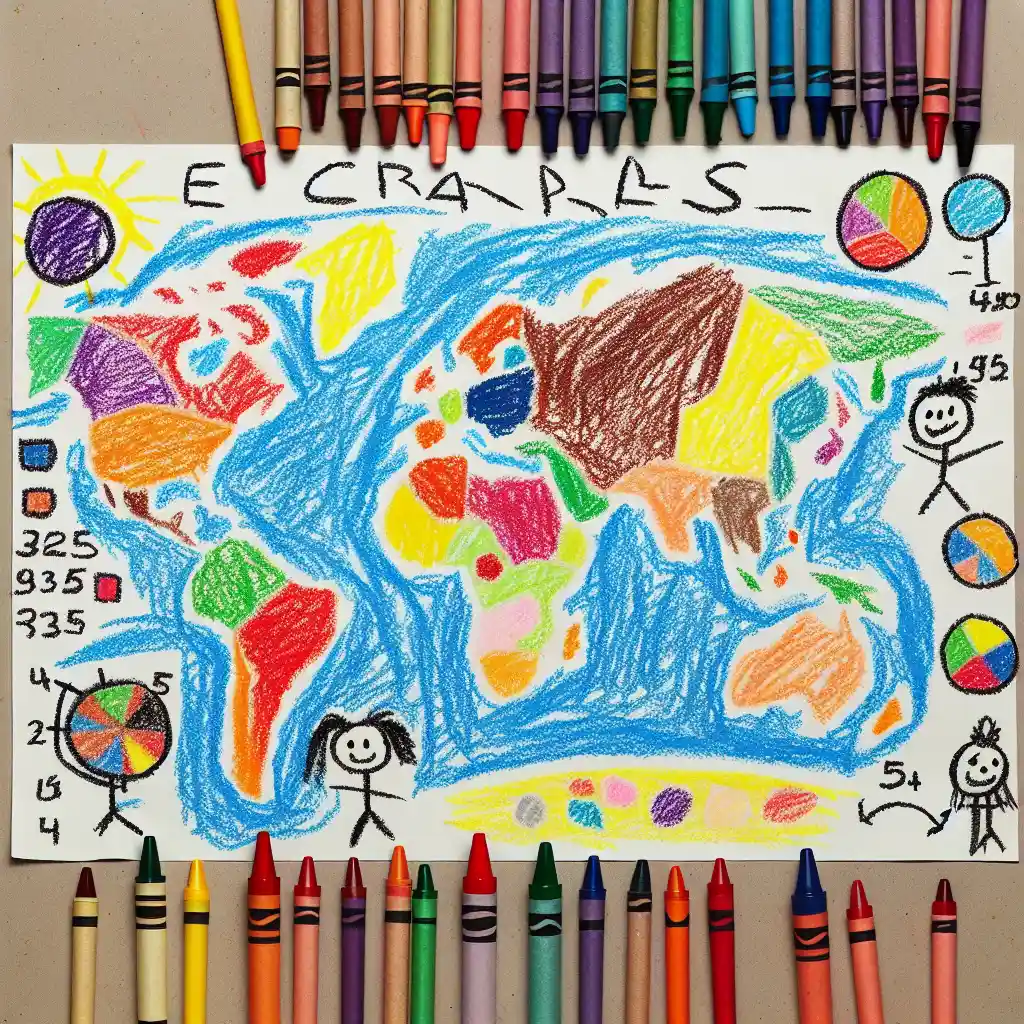
Imagine you have a big box of colored blocks. Each color represents a different team in a game. Now, let’s say you and your friends want to see which team is winning. So, you start counting the blocks by color and stacking them up. The stack with the most blocks shows the winning team! In the UK, they just did something similar with an election. They counted votes (like our blocks) and used maps and charts to show which party (team) is getting the most votes. It's like a scoreboard showing us who is winning and who is losing in different areas.
Explain Like I'm 10
When there’s an election in the UK, lots of people vote for different parties, kind of like choosing teams in a sports match. After the voting, everyone wants to know which party got the most votes and where they did well or not so well. To show this, people use maps and charts - these are like big, colorful diagrams that help us see which party is winning in different parts of the country. Each color on the map stands for a different party. This way, you can quickly look at the map and see which areas are colored in with which party's color. It's a fun and easy way to see who might be running the government next, and it helps everyone understand what’s happening without reading a huge list of numbers. It's kind of like checking the leaderboards in a video game!
Explain Like I'm 15
In the UK, elections are a big deal because they determine who gets to make decisions in the government. After people vote, the results are shown using maps and charts to make it easy to understand which parties are winning or losing. Each party is represented by a different color, and these colors fill in areas on the map where the party has received a lot of votes. This visual representation helps everyone—from politicians to average citizens—quickly grasp the political landscape across different regions.
This process also reflects the public's response to current issues and the parties' policies. The timing of these elections and the resulting maps can tell us a lot about the political mood of the country. For instance, if a party expected to do well suddenly loses ground, it could indicate that people aren't happy with their performance. Conversely, a surprise win can mean a party has successfully resonated with the public.
Historically, these election maps have also helped in predicting future political trends and shifts in power. They can influence how parties plan their strategies and address public concerns. Looking ahead, the data from these early results will set the tone for upcoming national debates and policy directions. This snapshot of electoral preferences is more than just numbers; it's a reflection of the collective voice of the populace, showing us not just who is winning, but what issues might be driving the election results.
Want to read the original story?
View Original Source