What to know about the partial government shutdown
Explain Like I'm 5
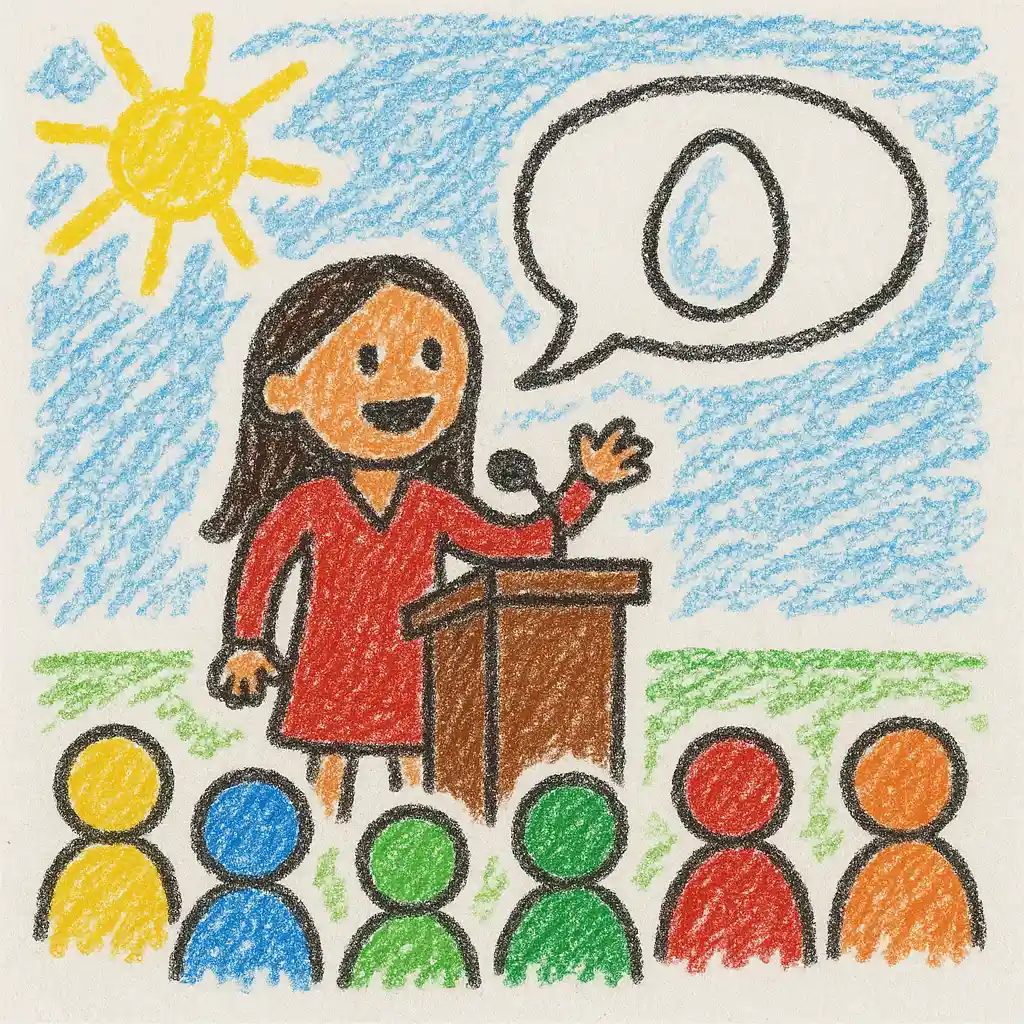
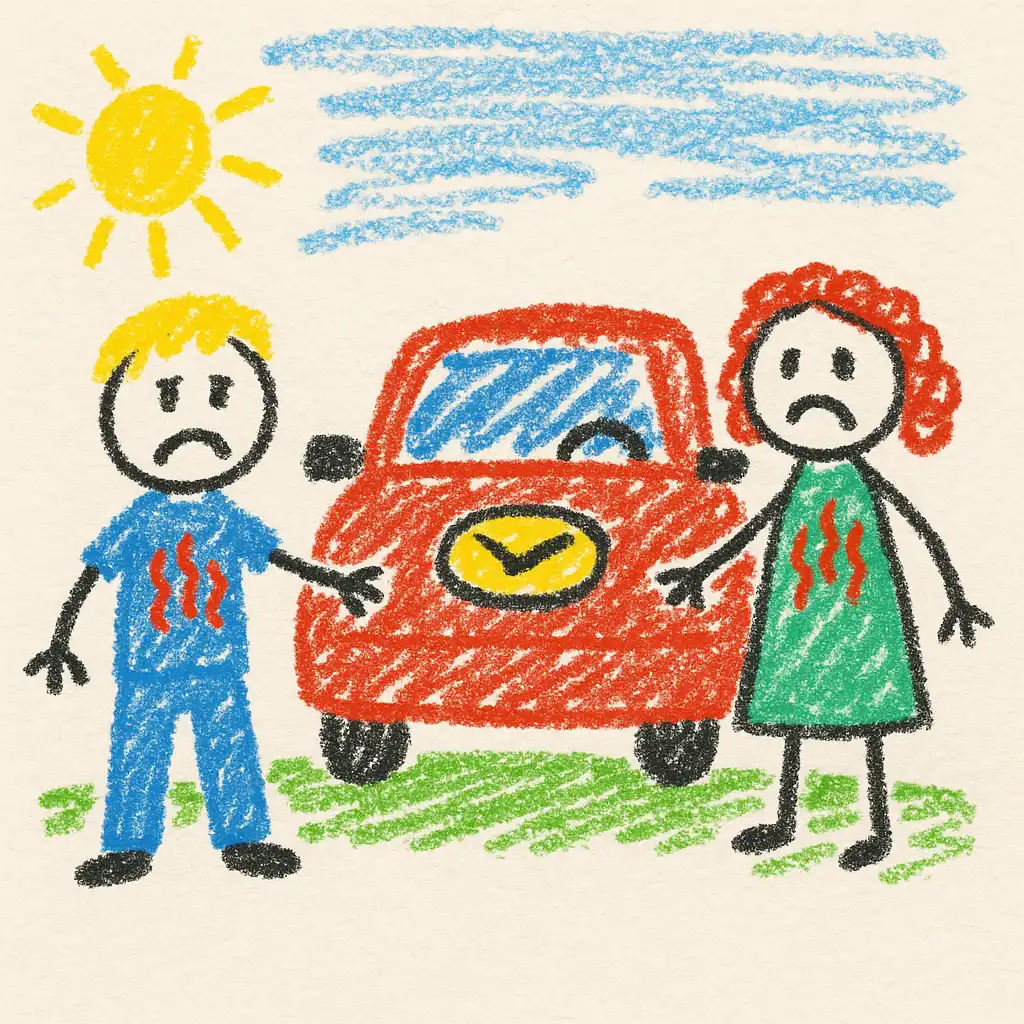
Imagine you have a piggy bank where you save money to buy toys, candies, and maybe even some cool stickers. But one day, you and your sibling can't agree on what to buy next. You want toys, and they want candies. So, you both decide not to use the money until you can agree. This is kind of like what's happening with the government right now. The government has a big piggy bank that it uses to pay for all the things it does, like helping schools, fixing roads, and keeping parks open. But the people in charge of the money, sort of like a big family, couldn't agree on how to spend it. So, some parts of the government have stopped spending money because the Senate said, "Yes, let's keep spending!" but the House, another group, wasn't there to say "Yes" too. They're like your sibling who went to a friend's house before you could agree.
Explain Like I'm 10
Let's think of the government like a huge machine that needs fuel (money) to keep running. The Senate and the House are like the two people who control the fuel supply. The Senate already agreed to keep the fuel flowing to avoid turning off the machine. However, the House, which is another crucial part of the decision-making team, wasn't there to give the final thumbs up; they were already on a break. So, even though the Senate was ready, the absence of the House means parts of the government machine aren't getting the fuel they need.
This has happened because these two groups couldn't agree in time on how to spend the government's money. The immediate result? Some services that the government provides, like museums, national parks, and some offices that help people, might not work as usual. The people who work there might not get paid until everything is sorted out. It's like when your school has to cancel a field trip because the bus company wasn't paid on time.
Explain Like I'm 15
The concept of a government shutdown can seem complex, but it essentially comes down to a budget disagreement within the branches of Congress – the Senate and the House. Basically, the government operates on a fiscal year, needing a new budget to keep fully operational. This year, while the Senate, one part of Congress, passed a measure to keep funding the government, the House was already on recess, and without their approval, the government couldn't secure all the necessary funds to keep running smoothly.
Historically, these shutdowns reflect deeper political disagreements and can have ripple effects. Economically, they can delay paychecks for government workers, slow down services for citizens, and even affect the stock market due to uncertainty. Socially, public trust in governmental processes can decline. Politically, it can lead to significant blowback against the parties or individuals perceived as responsible for the deadlock.
The broader implications are significant. Continued shutdowns or even the threat can undermine economic stability and public confidence in government efficacy. Moving forward, this situation might pressure politicians to negotiate more effectively, considering the public and economic backlash that can follow a shutdown. Experts usually suggest that such shutdowns highlight the need for more robust and cooperative legislative processes to avoid similar scenarios in the future.
Want to read the original story?
View Original Source