What we know so far about train collision and emergency response
Explain Like I'm 5
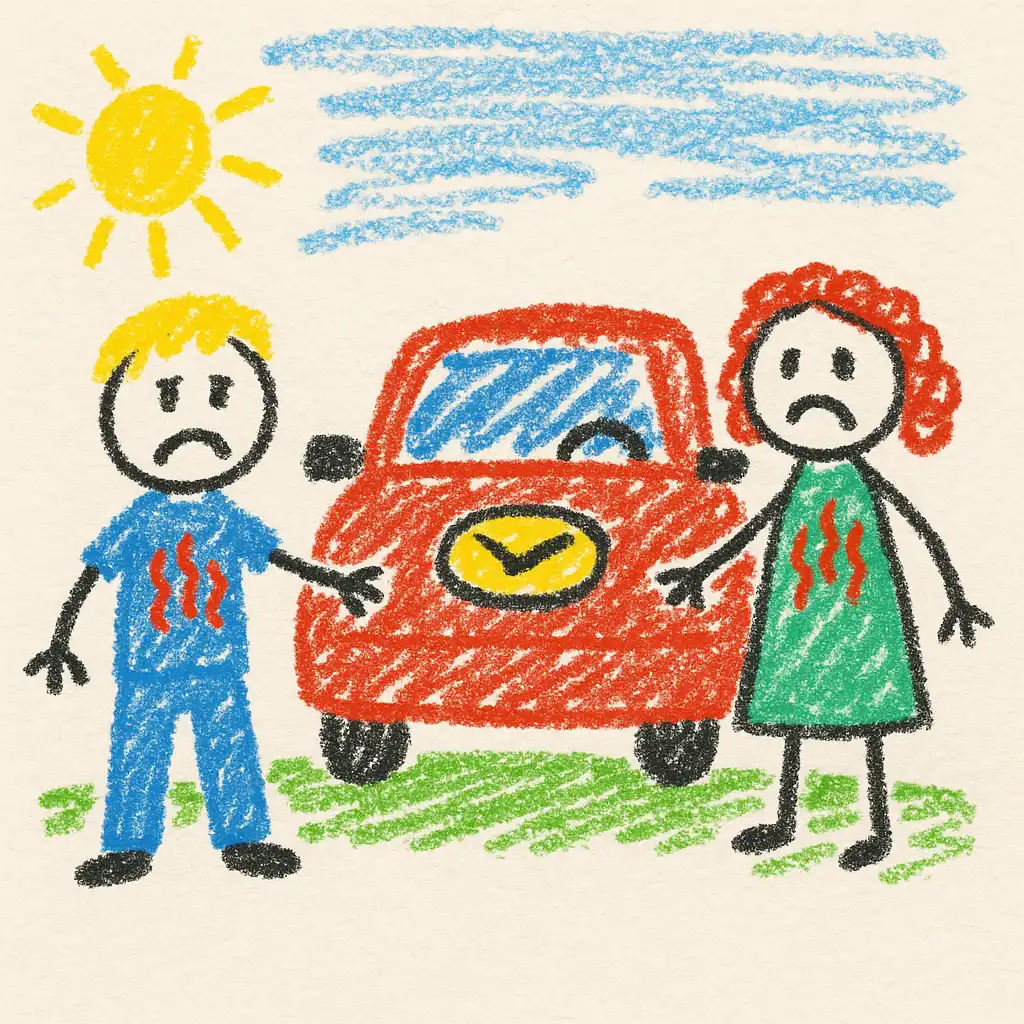
Imagine you have two toy trains on the same track and they accidentally bump into each other because they were not supposed to be on the same track at the same time. This is kind of what happened with two real trains. When they bumped, some of the people inside got boo-boos. Now, lots of helpers came to make sure everyone is okay and to fix the problem so that it doesn’t happen again.
Explain Like I'm 10
So, two trains from East Midland Railway ended up on a collision course and crashed into each other. This kind of accident is pretty rare and serious because trains are huge and travel fast. When these two trains collided, a bunch of passengers and some crew members got hurt. After the crash, emergency teams rushed to the scene. These are the professionals who are trained to handle such situations—they help injured people and make sure everyone is safe. Right now, they are also trying to figure out why this happened to prevent it in the future. It’s like doing detective work to solve a mystery that can help save lives later.
Explain Like I'm 15
In a serious incident, two East Midland Railway trains collided, causing injuries to numerous passengers and crew members. This event triggered a significant emergency response. Emergency services, including medical teams and police, were deployed quickly to manage the situation. In accidents like these, the immediate response is crucial to ensure safety and provide medical care to those injured.
The investigation into what caused this crash is underway. It’s essential to understand the sequence of events leading up to the incident to improve train safety standards and prevent future accidents. This might involve looking at whether there were any technical failures, human errors, or issues with how the trains were managed. The outcome of this investigation will likely influence future railway safety protocols.
Analyzing such accidents also helps us learn more about how to improve the infrastructure and operation of railways. Each accident provides valuable lessons that can transform policies and practices, aiming to safeguard passengers and crew. This incident not only affects those directly involved but also impacts public perception of train travel safety, potentially influencing policy and operational changes in the railway industry.
Want to read the original story?
View Original Source