When will social media ban start and what platforms are included?
Explain Like I'm 5
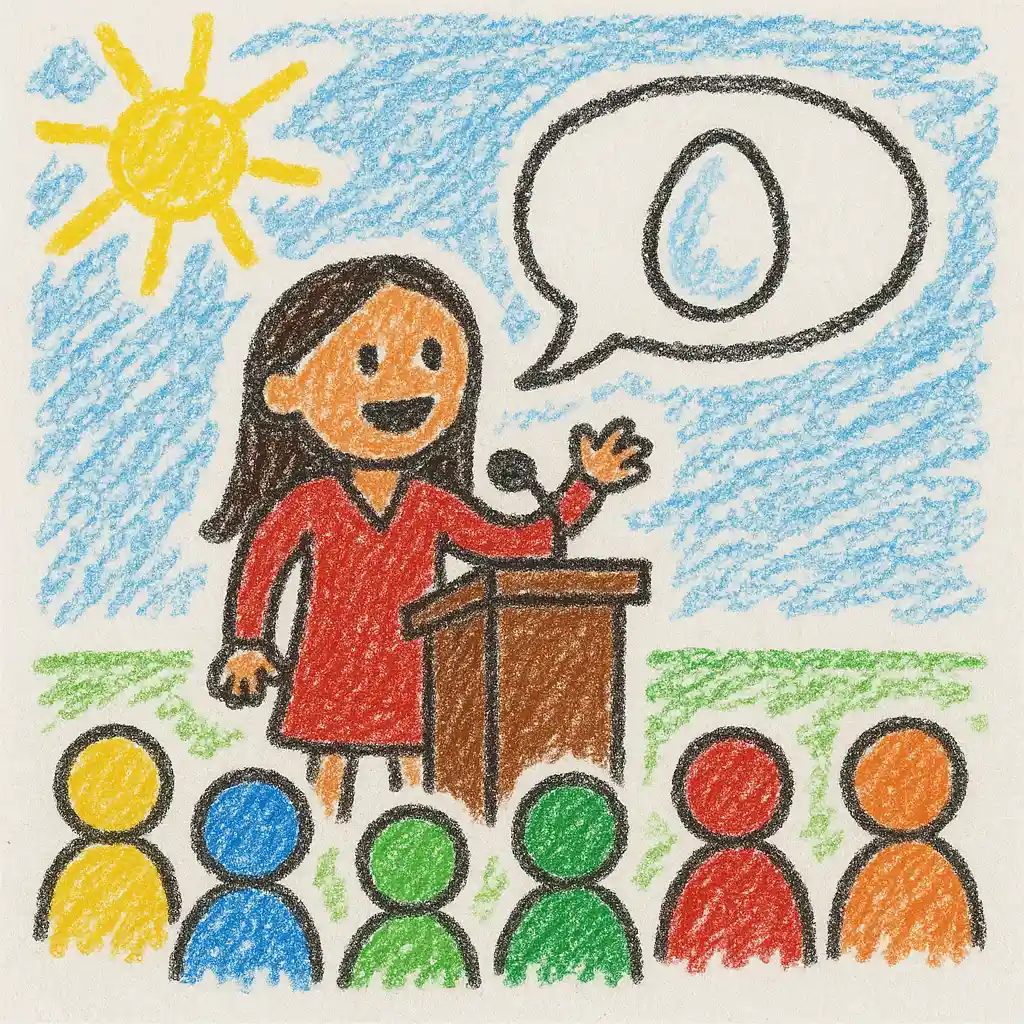
Imagine you have a box of crayons, but some of the crayons start making a mess on your walls. Your parents decide that until they can figure out how to stop the mess, those specific crayons have to go back in the box. In the UK, the grown-ups in charge are doing something similar with social media apps like TikTok and Snapchat. They think these apps might be making a bit of a mess for kids, so they've decided that starting in early 2027, teenagers won't be able to use them. It's like putting those messy crayons away until they can figure out how to keep everything clean and safe.
Explain Like I'm 10
So, in the UK, the people who make the rules are worried about how safe social media apps like TikTok and Snapchat are for teenagers. They think these apps might not be very good for young people's wellbeing. To deal with this, they've decided to block these apps starting early 2027, which means that teenagers won't be able to use them anymore. It's a bit like when your school decides that certain games are not allowed during recess because they might be too rowdy or unsafe. The goal is to protect teenagers from potential harm, even though not everyone agrees that banning these apps is the best way to do it. They're still figuring out all the details, like exactly how they'll enforce this ban or if there are any exceptions.
Explain Like I'm 15
In early 2027, the UK government plans to implement a ban on certain social media platforms, specifically TikTok and Snapchat, for teenagers. This is part of a broader effort to address concerns about the safety and impact of these platforms on young people's mental health and privacy. The decision to block these apps stems from ongoing debates about how social media can affect teenagers' development and wellbeing.
There's a lot of controversy surrounding this move. Supporters argue it's necessary to protect teens from online harms, such as cyberbullying or exposure to inappropriate content. Critics, however, claim it could infringe on digital freedom and question whether a ban is the right approach to promote safe internet usage. This decision also raises questions about the role of government in regulating internet access and the effectiveness of such measures in safeguarding young users.
Looking ahead, this ban could set a precedent for how other countries address similar concerns with social media and teen safety. The effectiveness of this ban, how it will be enforced, and its impact on both teenagers and the social media companies are key issues that will unfold as the 2027 implementation date approaches.
Want to read the original story?
View Original Source