WHO declares Ebola outbreak in DR Congo a global health emergency
Explain Like I'm 5
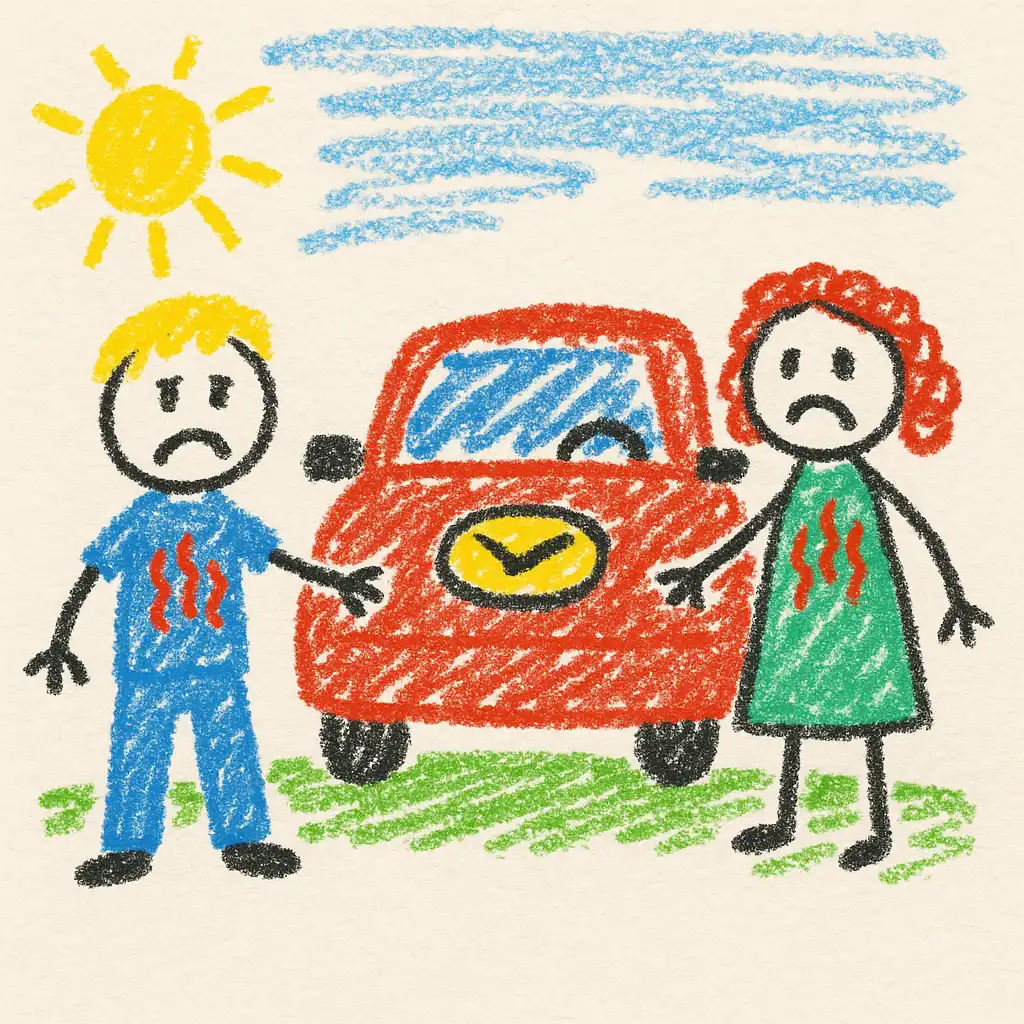
Imagine if your friend at school got a really bad cold, and the teacher told everyone to be extra careful and wash their hands so they wouldn't get sick too. Now, think about a country named the Democratic Republic of Congo where some people are getting very sick with a disease called Ebola. It’s much scarier than a cold and can make people very ill very quickly. So, the World Health Organization (WHO), which is like the world’s health teacher, has said, "This is very serious, and we need to pay attention to keep it from spreading." They haven’t called it a super-big problem like a pandemic, but it’s still important enough to make everyone look up and be careful.
Explain Like I'm 10
In the Democratic Republic of Congo, there’s been an outbreak of a disease called Ebola. It’s a very serious illness that can spread quickly and is often deadly. Recently, about 246 people got sick from this disease, and sadly, about 80 people died. Because Ebola can spread so fast and is very dangerous, the World Health Organization (WHO), which helps keep people healthy around the world, has called this outbreak a global health emergency. This means they think it’s important enough that countries around the world should be aware and ready to help if needed. However, it's not considered a pandemic emergency, which would mean it’s a top-level crisis everywhere. This call to action helps countries and health experts work together to try to stop the disease from spreading further.
Explain Like I'm 15
The Democratic Republic of Congo is currently facing an Ebola outbreak, with around 246 reported cases and 80 deaths. Ebola is a highly infectious and deadly virus that causes severe fever, body aches, and bleeding. Due to its severity and the number of cases, the World Health Organization (WHO) has declared it a global health emergency. This declaration isn’t as severe as a pandemic emergency, which would require a more widespread and uncontrollable spread of the disease, but it's still a significant alert.
This decision by WHO aims to mobilize international resources and attention to help contain the outbreak. The global health emergency status helps in attracting more funding and support from international communities, which can include medical experts, security in transport and handling of the disease, and public health education. The urgency is not just about treating the sick but also about preventing further spread, which can be challenging in regions with less developed healthcare systems.
Historically, Ebola outbreaks have been devastating, partly because they tend to happen in areas with fewer healthcare resources. The broader implications of such outbreaks can be severe, affecting economic, social, and political stability in the region. By declaring it a global health emergency, WHO is signaling the need for a coordinated international response to prevent a bad situation from becoming worse. What happens next depends a lot on how well the response is managed and how quickly international support can be organized and delivered.
Want to read the original story?
View Original Source