Why both parties' health care proposals are failing

Explain Like I'm 5
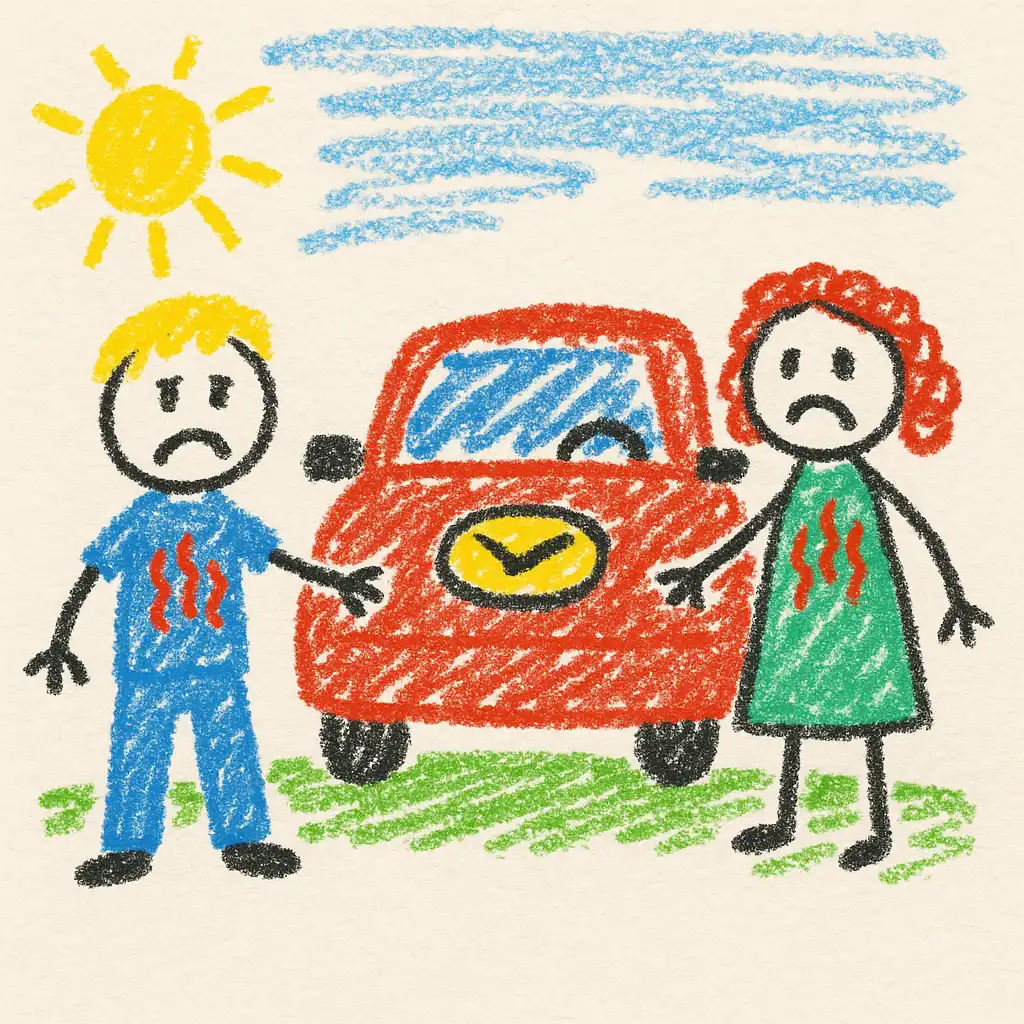
Imagine you have a school project and you and your friends can't agree on what color to paint your big poster. You think blue is best, and your friend thinks red is awesome. Instead of picking one color or mixing them to make a new one, you end up not painting the poster at all. That's kind of what's happening in the U.S. Senate right now with health care. Both the Republican and Democratic parties have their own ideas on how to fix health care problems, like making sure everyone can afford to go to the doctor. But, they can't agree on which ideas are the best, so they end up not passing any new rules to help fix the problems, and that's making it tough for some people to pay for their doctor visits.
Explain Like I'm 10
In the United States, there's a big discussion about how to make health care better because it's really important for everyone to be able to see a doctor without it costing a ton of money. The two main groups in charge of making laws, the Republicans and the Democrats, each have their own plans on how to improve health care. However, they don't agree with each other's plans. Recently, the Senate, which is one part of our government that helps make laws, said "no" to health care bills from both parties. This means that they didn't accept any new rules from either side. This is happening at a time when the cost for health care might go up a lot, and that could make it harder for many people to afford it. It's like when two captains of a sports team can't decide on a play, and the game just pauses and nothing moves forward.
Explain Like I'm 15
Health care in the U.S. is a massive and complex system that's currently facing a lot of challenges, including the potential for significant increases in costs for health insurance. This is a big deal because it affects millions of Americans' ability to afford medical care. The two main political parties, Republicans and Democrats, each have their own ideas on how to solve these issues. However, they often have fundamental disagreements on the approach. For example, Democrats generally favor more government involvement to ensure everyone has access, while Republicans typically support more market-based solutions that encourage competition and choice.
Recently, the Senate, which is controlled by Republicans, had to vote on health care proposals from both parties. They ended up rejecting all of them. This deadlock means that no new solutions are being put in place at a critical time. The rejection comes as the country is moving toward what is being called a "cliff" of steep premium hikes — basically, a big jump in the cost of health insurance that could make it unaffordable for many.
The broader implications here are significant. If there's no agreement soon, many Americans could find themselves unable to afford basic health care, which could lead to worse health outcomes across the population and increased costs down the line as more people are forced to use emergency services for basic care. What happens next is uncertain, but the need for a compromise or a new approach is becoming increasingly urgent as potential crisis points approach.
Want to read the original story?
View Original Source