Why Europe is warming twice as fast as the global average
Explain Like I'm 5
Okay, imagine Europe is like a big pizza that’s sitting in the oven. The oven is getting hotter and hotter, and so is our pizza! But guess what? The crust (which is Europe) is cooking way faster than the cheese and toppings (which is the rest of the world). This means that Europe is getting really hot, really quickly!
So, the big takeaway is that Europe is warming up twice as fast as other places on Earth, which can cause big messes like wildfires and heatwaves. Just like when you touch a hot pizza crust, it can be really dangerous!
Explain Like I'm 10
Alright, here’s the scoop: Europe is heating up faster than the rest of the world—like, double the speed! This is a big deal because when places get too hot, they can experience all sorts of problems, like wildfires and severe weather. Right now, countries like France and Spain are dealing with intense heatwaves and wildfires that are making headlines.
Why is this happening? There are a few reasons. One big reason is that Europe has a lot of cities and buildings that trap heat, kind of like how a car gets hot when you leave it in the sun. Plus, climate change is making weather patterns all wonky. That means we get more hot days and fewer cool ones. So when we hear about wildfires in Europe, it’s not just bad luck; it’s part of a larger problem.
Explain Like I'm 15
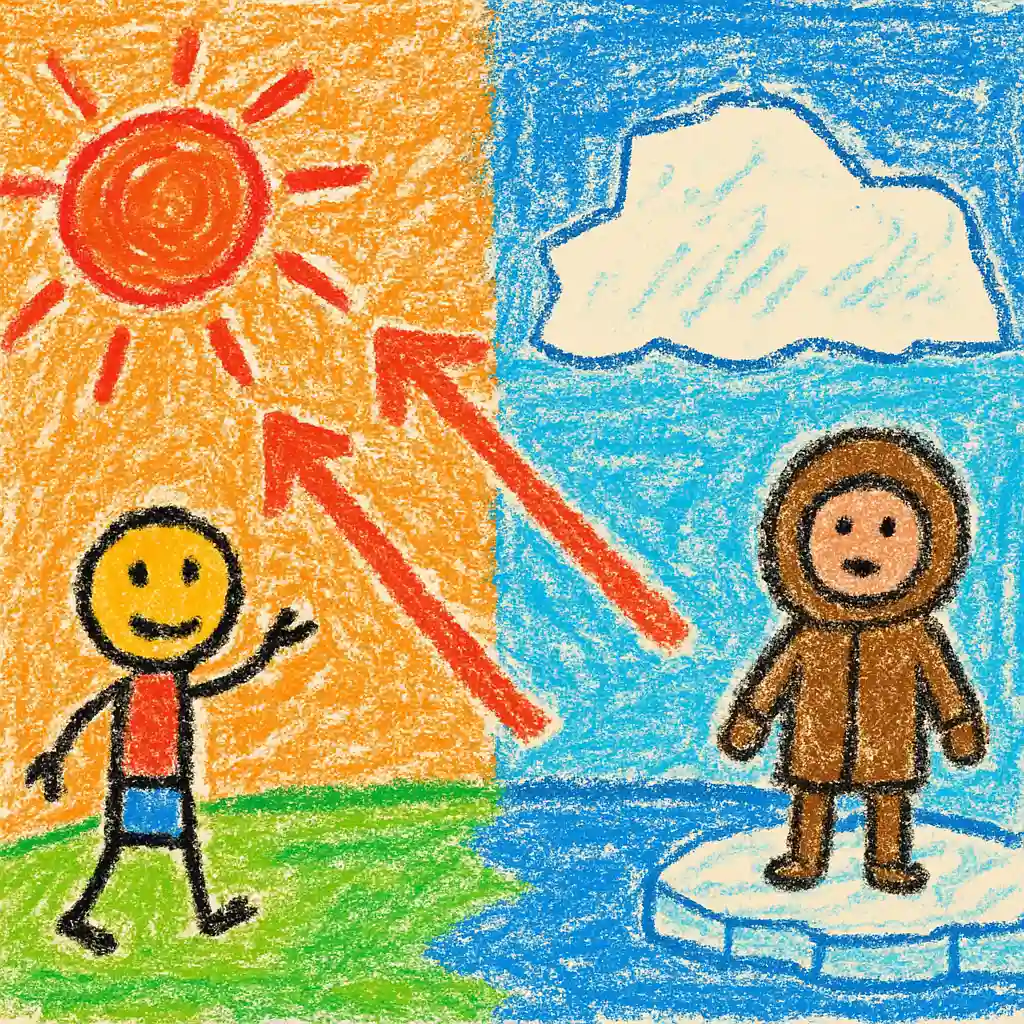
So, let’s dig a bit deeper into why Europe is warming at such an alarming rate compared to the global average. It’s not just about the weather being moody; it’s about a combination of climate change factors and human activities. The European continent is experiencing an average temperature rise that is nearly double that of the global average, leading to increasingly extreme weather events.
Historically, Europe has been a region that benefited from a stable climate, allowing for agriculture and a comfortable lifestyle. However, with climate change accelerating due to greenhouse gas emissions, we’re seeing unprecedented heatwaves and wildfires. Countries like France and Spain have been particularly hard-hit, with wildfires destroying vast areas and threatening lives and homes. These events are not just isolated incidents; they reflect a broader pattern of climate disruption that is becoming the new normal.
The implications are enormous. Economically, the cost of dealing with wildfires and heat-related disasters can strain national budgets. Socially, communities are facing displacement and health risks due to extreme temperatures. Politically, this could lead to increased pressure on governments to take action on climate policy, which is a hot topic (pun intended) in many nations.
Looking ahead, experts are warning that if we don’t take significant action to reduce carbon emissions and invest in sustainable practices, the situation could worsen. So, while Europe is sizzling now, the heat is a sign of a much bigger challenge that we all need to pay attention to. What happens next will depend on how we respond to this global crisis.
Want to read the original story?
View Original Source