
Why the US wants to protect Iran’s oil and gas
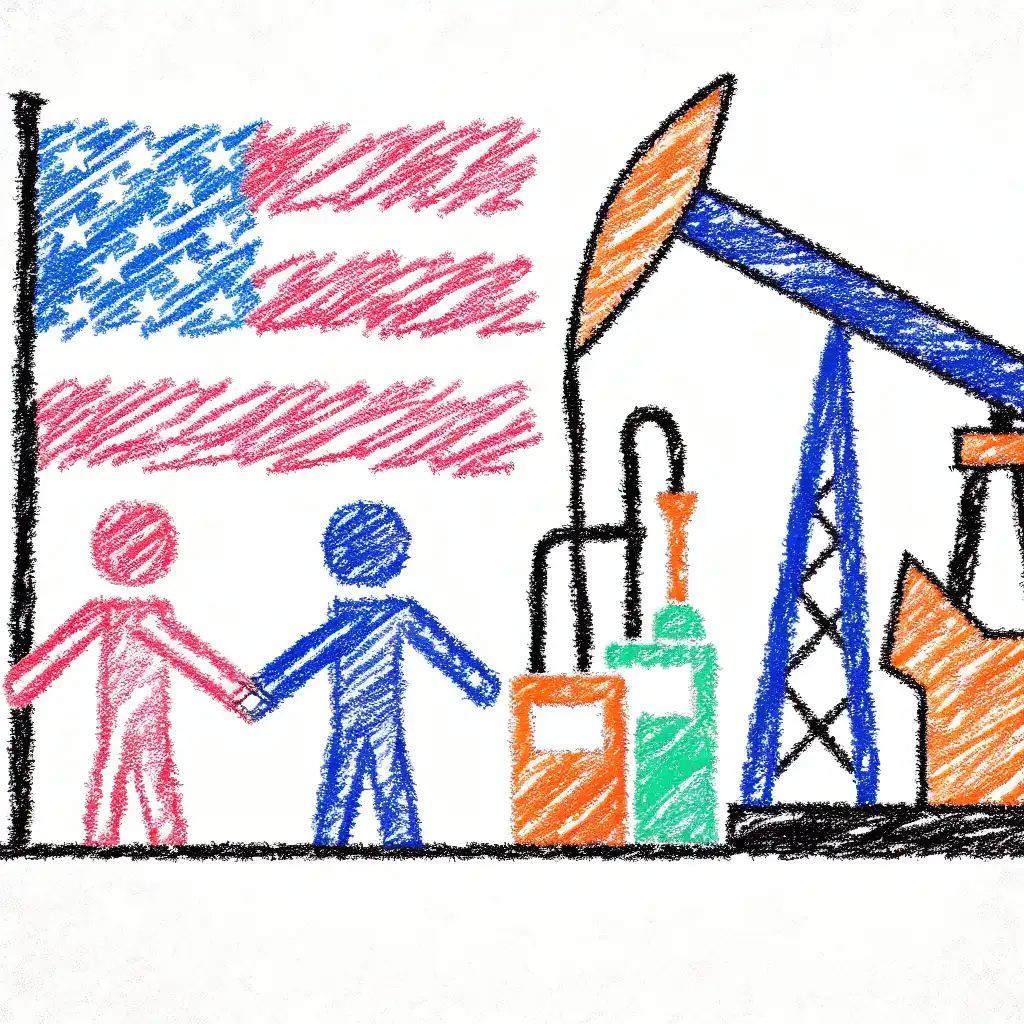
Explain Like I'm 5
Imagine you have a big box of crayons that everyone in your class wants to use because it has some of the best colors. Now, imagine if something happened to your crayon box, and suddenly no one could use those colors anymore. Everyone in class would be pretty upset, right? The U.S. is kind of like the big kid in class who says, “Don’t worry, I’ll make sure nothing happens to the crayons,” because if something did, it would make coloring a lot harder for everyone. Iran’s oil and gas are like those crayons. They are very important and used by a lot of countries, so the U.S. wants to make sure nothing bad happens to them, especially during fights or misunderstandings, so that all the countries can continue to use them without any trouble.
Explain Like I'm 10
Oil and gas are super important resources that help countries run cars, factories, and even keep houses warm or cool. Iran has a lot of oil and gas, kind of like having a big pile of gold in your backyard. Now, the U.S. doesn't necessarily need Iran's oil and gas for itself but knows that if something bad happens to Iran's oil and gas supplies, it could cause problems all over the world, like making the price of gas for cars really expensive. Recently, there was a scary situation where there was a fight involving Iran, and it affected places where oil and gas come from. This made many people around the world very nervous about whether they would have enough oil and gas. The U.S. is trying to make sure that these important resources are protected because if they are safe, it helps keep prices stable and ensures that all countries can get what they need without big problems or fights breaking out.
Explain Like I'm 15
Oil and gas are not just commodities; they're pivotal to the global economy, fueling everything from transportation to manufacturing and energy production. Iran, sitting on some of the largest reserves of oil and gas in the world, plays a crucial role in this dynamic. The geopolitical stability of regions that hold these energy reserves is vital. Any disruption can lead to significant global economic implications, such as increased prices and supply shortages.
Recently, tensions escalated when there was an Israeli strike on Iran's South Pars gas field, which is a major site. This led to Iranian retaliation against natural gas facilities in Qatar, another key player in the global energy market. This kind of military action and the ensuing retaliation put the global supply of oil and gas at risk, prompting fears of a broader conflict that could disrupt more than just the involved regions.
The U.S. has strategic reasons for wanting to protect these resources. Stability in oil and gas supplies helps prevent global economic instability. The U.S. involvement is also about maintaining its influence in the region and ensuring that no single country can control a resource as critical as oil and gas, which could be used to wield political and economic power internationally.
The broader implications here involve not just economics but also international relations and the potential for future conflicts. If energy supplies from a region as critical as the Middle East are threatened, it could lead to more countries getting involved militarily or politically, trying to secure their own national interests. This is a complex chess game on a global scale, with high stakes for everyone involved.
Want to read the original story?
View Original Source