Why UK is in 'extraordinary times' over its climate
Explain Like I'm 5
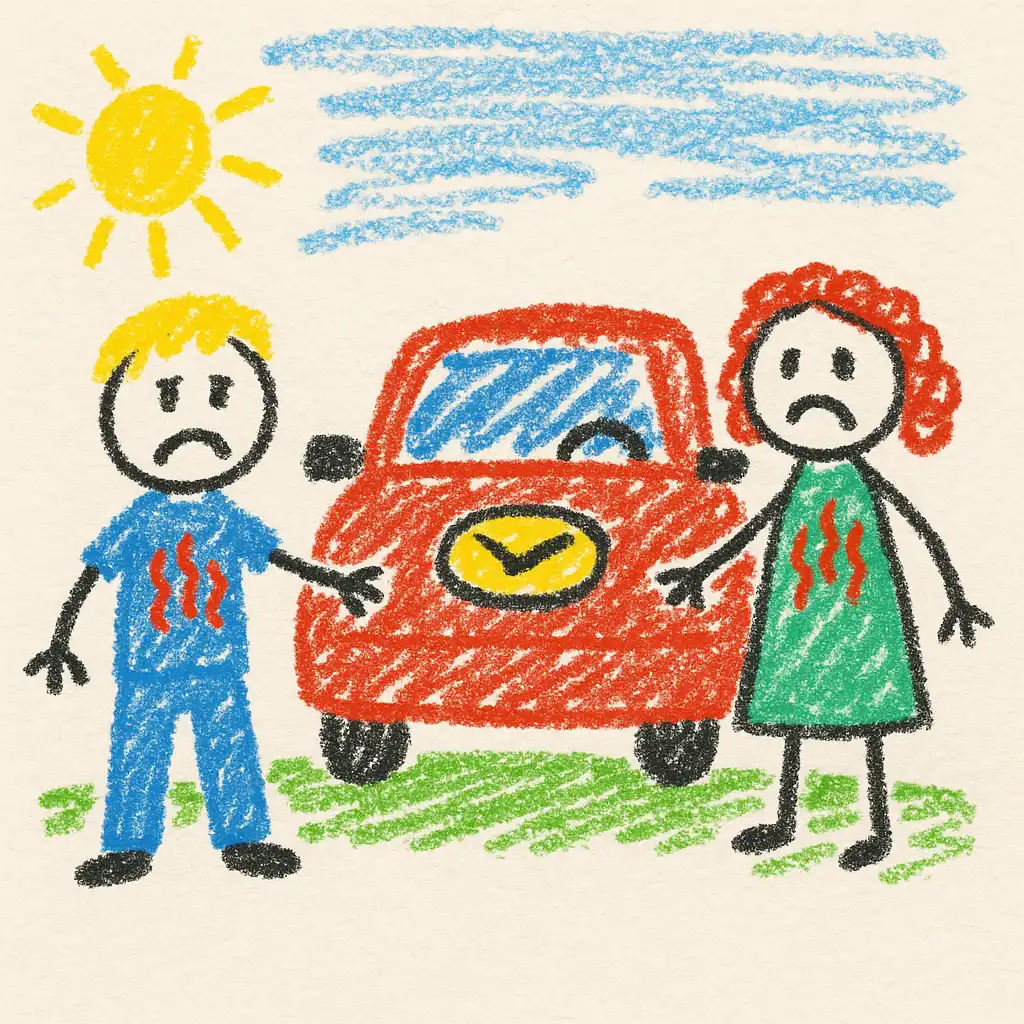
Imagine the UK is a person who usually wears a light jacket in December because it's normally chilly. But this year, they're thinking about wearing shorts and a t-shirt because it's much warmer than usual. That's a bit strange, right? The UK is having one of its warmest years ever, and that's really unusual because it's normally not this warm. This has got a lot of people talking and watching the weather closely to see if this warm spell keeps going.
Explain Like I'm 10
So, the UK is usually known for its rainy days and mild temperatures, but this year, it's different. The weather experts, like the ones at the Met Office, are saying that this could be the warmest year that the UK has ever recorded. That's a big deal because it means the weather is changing in ways that aren't typical. This isn't just about having an extra scoop of ice cream in the sun; it affects farmers, wildlife, and even how much water we have for our homes. People are paying close attention because it's important to understand why it's happening now. Is it just a weird year, or is something bigger going on with our planet's climate?
Explain Like I'm 15
The UK experiencing potentially its warmest year on record isn't just a quirky weather fact; it's a significant indicator of broader climate trends that are concerning to scientists and policymakers. Historically, the UK's climate is temperate, but the recent trend towards higher temperatures fits into a larger pattern of global warming, which is linked to human activities like burning fossil fuels and deforestation.
This shift in weather patterns can lead to more than just unseasonably warm winters; it can disrupt ecosystems, agriculture, and water resources. For instance, certain plants and animals might struggle to survive if the conditions they're adapted to change too quickly. Economically, it could affect everything from energy consumption (less heating, more air conditioning) to food production costs.
What might happen next? If these trends continue, we could see more extreme weather events, policy shifts toward sustainability, and increased public awareness and action on climate issues. The experts are keeping a close eye on these developments, using them to refine their models and predictions about our climate's future. This isn't just a fluke; it's a wake-up call that our environment is rapidly changing.
Want to read the original story?
View Original Source