Wildfires come for the suburbs
Explain Like I'm 5
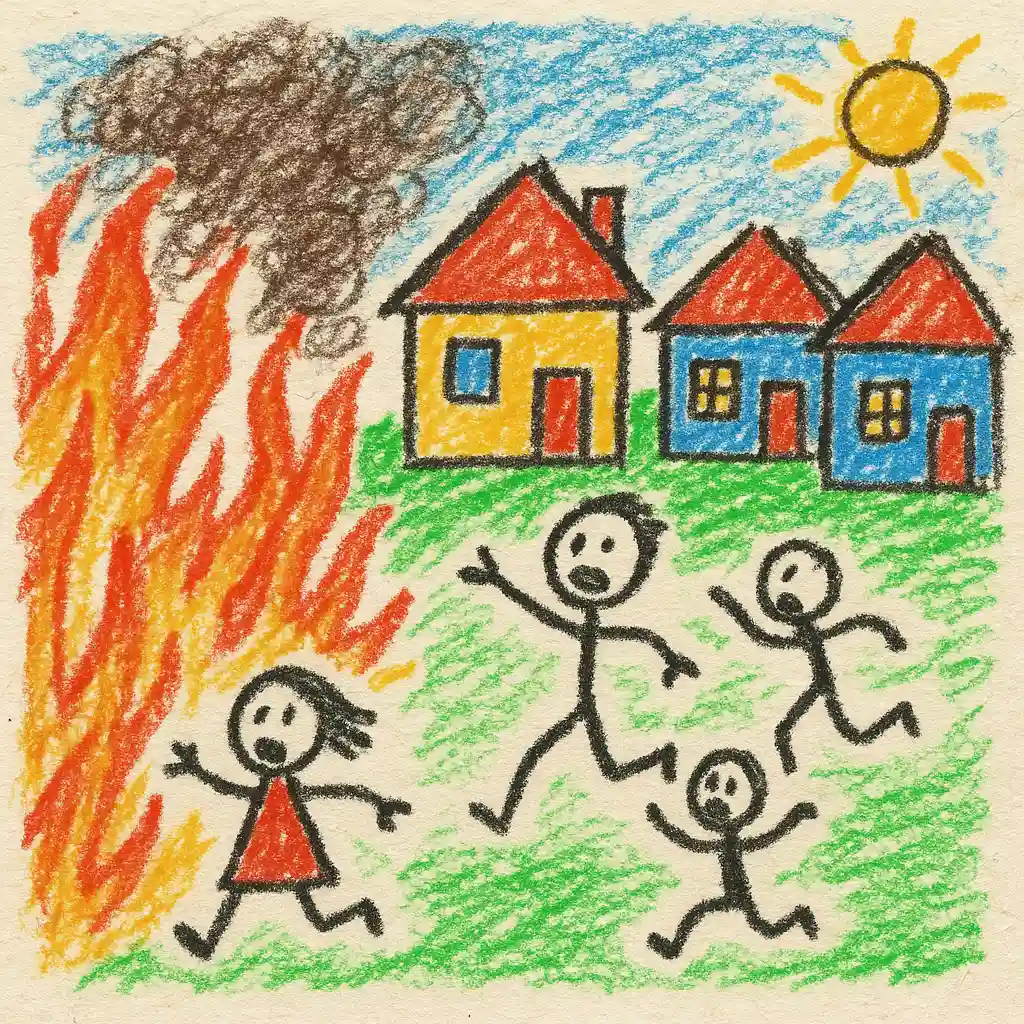
Okay, imagine you’re playing with a really big box of matches and a bunch of fireworks. If you’re not careful and you spill them everywhere, the flames can get super big and start burning down your toy village. That’s kind of what’s happening in Spokane, Washington!
There are wildfires, which are like giant fire monsters, that are burning up homes and scaring people away. Right now, a lot of families have to leave their houses because the fire is just too close, and we hope that the wind doesn’t make it worse!
Explain Like I'm 10
So, wildfires are these huge, uncontrolled fires that can spread really quickly, especially when it’s hot and windy. In Spokane, Washington, things have gotten serious. Right now, the wildfires have already destroyed over 700 buildings, which means lots of homes, and about 65,000 people have been told to leave to stay safe.
The weather is not helping either! Strong winds are expected soon, which can make the fires spread even faster. Imagine trying to blow out a candle but someone keeps fanning it. That’s what the wind does to wildfires! This situation is pretty urgent, and everyone is hoping firefighters can contain the flames before they burn even more homes.
Explain Like I'm 15
Wildfires in Spokane, Washington, have taken a devastating turn, affecting thousands of lives. Currently, more than 700 structures have been destroyed, displacing approximately 65,000 residents. This crisis is happening amidst forecasts of strong winds, which can exacerbate the fire's spread, making the situation even more perilous.
Historically, wildfires have been a common threat in the western U.S., particularly during hot, dry seasons. Factors such as climate change, urban development near forested areas, and even human activity like campfires or discarded cigarettes contribute to the intensity and frequency of these fires. In this case, the rapid growth of suburbs near these natural areas has put more homes and families at risk.
The broader implications of these wildfires extend beyond just property damage. Economically, the costs of firefighting efforts, recovery, and rebuilding can be astronomical. Socially, communities affected face significant upheaval, and it may take years for them to fully recover. Politically, this situation often sparks discussions about environmental policy and fire management strategies. As experts assess the situation, they warn that without significant changes in land management and development practices, we may continue to see these kinds of disasters. What happens next depends on the weather and how quickly firefighters can control the flames.
Want to read the original story?
View Original Source