Will Trump Accounts deliver for American children?
Explain Like I'm 5
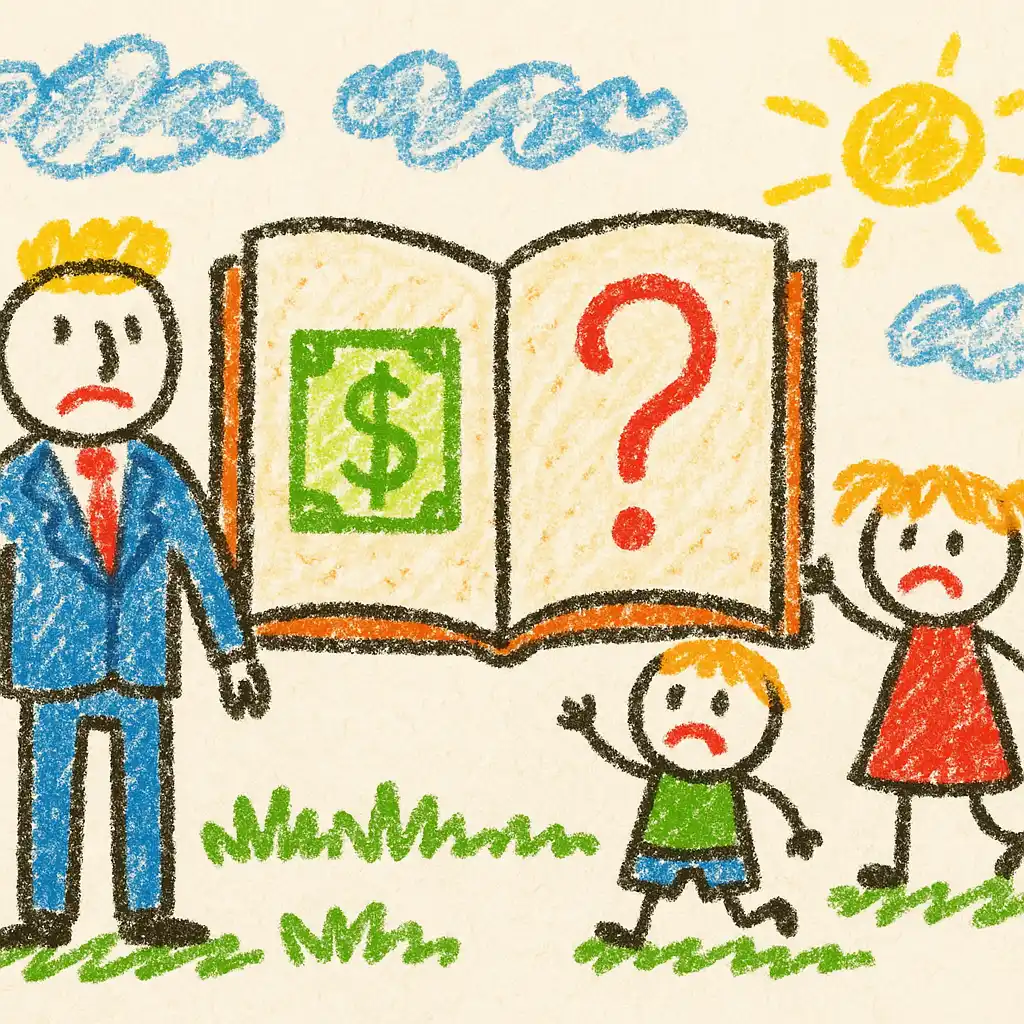
Imagine you have a piggy bank where you save coins to buy a toy you really want. Now, imagine the government giving every kid a special piggy bank to help them save money for when they grow up, to buy bigger things like a house or pay for school. This is kind of what the "Trump Accounts" are like. The White House thinks these accounts are like giving kids a piece of a big dream, making it easier for them to get nice things when they’re older. But, not everyone thinks it's a good idea or that it will work as planned. Some people are worried it might not help everyone equally.
Explain Like I'm 10
The "Trump Accounts" are a new idea from the government to help kids in America have a better future. Think of it as starting a savings account for every child when they're born, and this account grows over time. By the time these kids are adults, they'll have some money saved up to help pay for important things like college or a house. The people in charge say this is a way to make sure all kids, no matter where they come from, can have a shot at achieving the American dream.
However, not everyone agrees. Some critics argue that the money might not be enough or that the plan doesn't consider all the different problems kids from different backgrounds face. They worry that the plan might help some kids more than others, rather than helping everyone equally.
Explain Like I'm 15
The concept of "Trump Accounts" is a financial initiative aimed at empowering the next generation of Americans by providing them with a financial foundation from birth. Essentially, every child would receive a government-funded account that accrues interest over time, which they could access as adults for significant expenses like higher education or buying a home. Proponents argue that this could democratize economic opportunities and reduce disparities in wealth accumulation.
Critics, however, are skeptical. They question whether the initial investment by the government will be adequate given the rising costs of education and real estate. There's also concern about the broader economic implications, such as the impact on national debt and whether these funds could be more effectively used elsewhere. Furthermore, detractors argue that without addressing systemic issues like income inequality and access to quality education, these accounts might widen the wealth gap rather than close it.
The debate around "Trump Accounts" underscores larger discussions about how best to invest in future generations and the role of government in leveling the playing field. As this program develops, it will be important to monitor its implementation and the actual benefits it delivers to ensure that it truly helps build a more equitable society.
Want to read the original story?
View Original Source