
Worst-Case Climate Scenario Would Irreversibly Damage Antarctica, Scientists Warn
Explain Like I'm 5
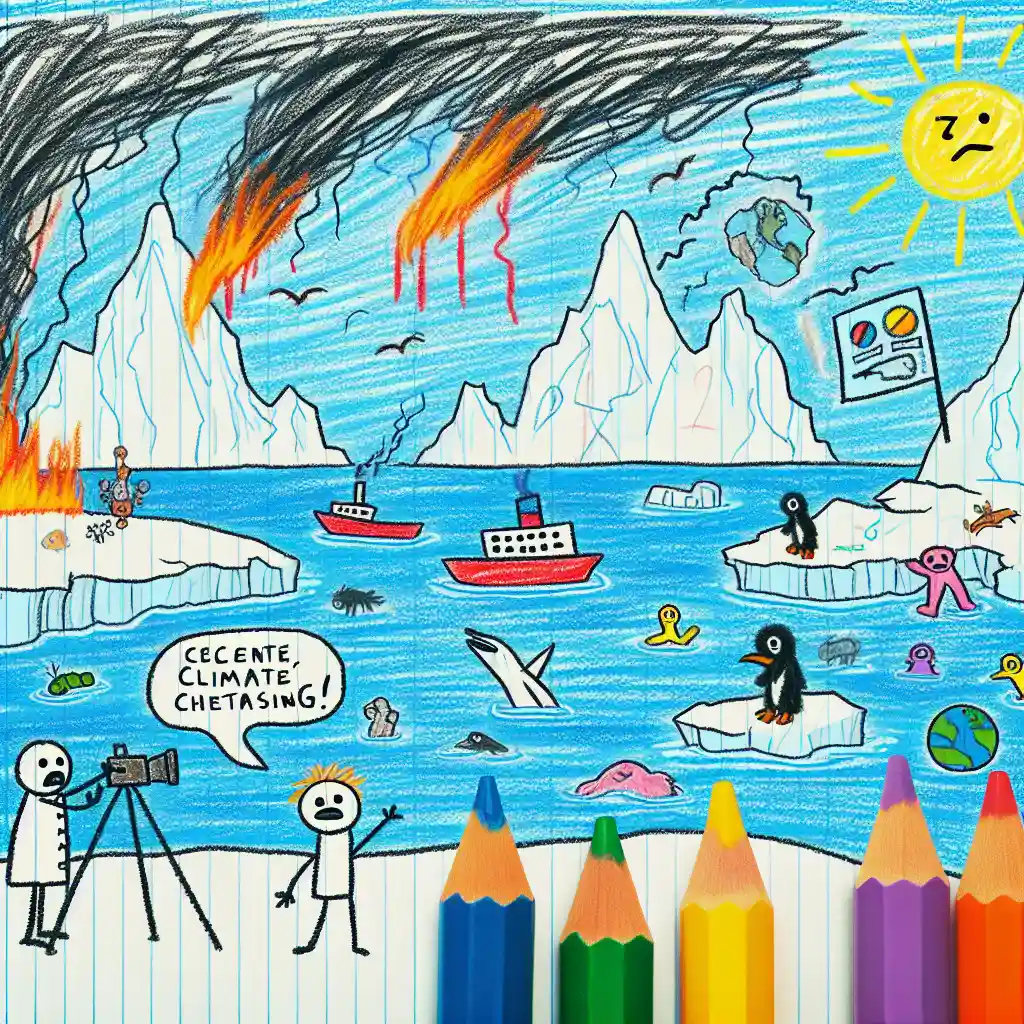
Imagine Antarctica as a giant ice cream cake sitting at the bottom of the world. Now, imagine what happens to an ice cream cake if you leave it out on a hot day—it starts to melt, right? Scientists are saying that if we don’t take care of our planet by turning down the "heat" (which means reducing the pollution that warms our earth), Antarctica could start to melt like that ice cream cake. If it melts too much, we can't just refreeze it perfectly again. This would be bad because Antarctica is important for keeping our planet’s temperature nice and comfy!
Explain Like I'm 10
Antarctica is like Earth’s big, cold freezer that helps control our planet’s temperature. But we have a problem: our world is getting warmer because of too much pollution, like carbon dioxide, which comes from cars, factories, and other things. Scientists have done a study where they looked at what could happen to Antarctica if we keep polluting a lot or if we start to pollute less. They found that in the worst case, where we don’t stop the pollution, Antarctica could get really damaged, and it won’t be able to do its job properly. That means higher sea levels and warmer temperatures for everyone. It's like if a freezer breaks down, everything inside it starts to melt. This is important now because how we act today—like how much we pollute—can make a big difference for Antarctica’s future.
Explain Like I'm 15
Scientists are warning us about the future of Antarctica in the face of climate change, which is largely driven by human activities such as burning fossil fuels and deforestation. These activities increase the levels of greenhouse gases in our atmosphere, trapping more heat and causing global temperatures to rise. A new study has presented scenarios ranging from best- to worst-case, depending on how much we can reduce our emissions in the coming years.
In the worst-case scenario, where emissions continue to increase unchecked, Antarctica’s ice sheets could melt irreversibly. This would lead to significant rises in sea levels worldwide, potentially flooding coastal cities and altering global climate patterns. The best-case scenario, however, shows a much more stable Antarctica, but only if we significantly cut down our greenhouse gas emissions soon.
Understanding the potential irreversible damage to Antarctica is crucial because it plays a vital role in regulating the earth's climate and ocean systems. It's not just about losing a remote land of ice; the consequences would ripple across the globe, affecting weather patterns, sea levels, and even global biodiversity. The choices we make in the next few years could determine which scenario unfolds. This is a call to action for reducing emissions, adopting sustainable practices, and protecting our planet's future.
Want to read the original story?
View Original Source