'I was charged double for oil I already paid for'
Explain Like I'm 5
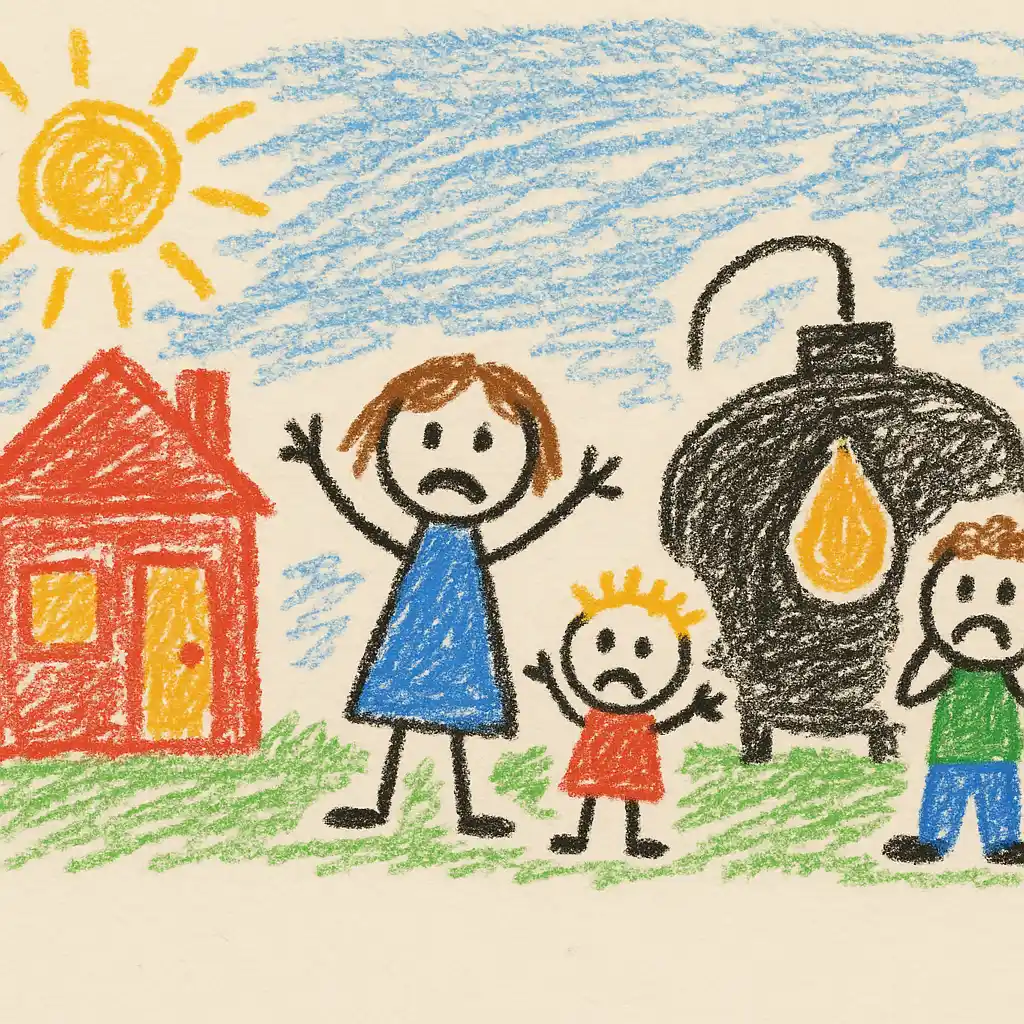
Imagine you go to a store and buy a big, yummy chocolate bar. You give the shopkeeper your money and he gives you the chocolate. But the next day, the shopkeeper comes to your house and says you need to give him more money for the same chocolate bar you already bought. That wouldn't be fair, right? Well, something similar is happening with people who bought heating oil to keep their houses warm. They paid for their oil, but now they're being told they have to pay a lot more money for the oil they already bought. It's like being asked to pay twice for your chocolate bar!
Explain Like I'm 10
Imagine it's winter, and your family buys heating oil to keep your house warm. You pay the company for the oil, they deliver it, and everything seems fine. But then, surprise! The company sends you another bill saying you owe a lot more money for the same oil. This is what's happening to some people. They paid a price they agreed on for heating oil, but now, the company is asking for more money than what was originally decided. This situation is upsetting for many because they thought they had already paid what they owed. It's like if you bought a game at one price, and after you started playing it, the store said you need to pay more to keep playing it!
Explain Like I'm 15
Imagine you and your family prepare for a cold winter by buying heating oil at a certain price. You make a deal with the supplier, pay them, and receive the oil. But then, the company sends you a bill claiming you owe twice what you initially paid. This situation is causing stress for many families who budgeted based on the original price.
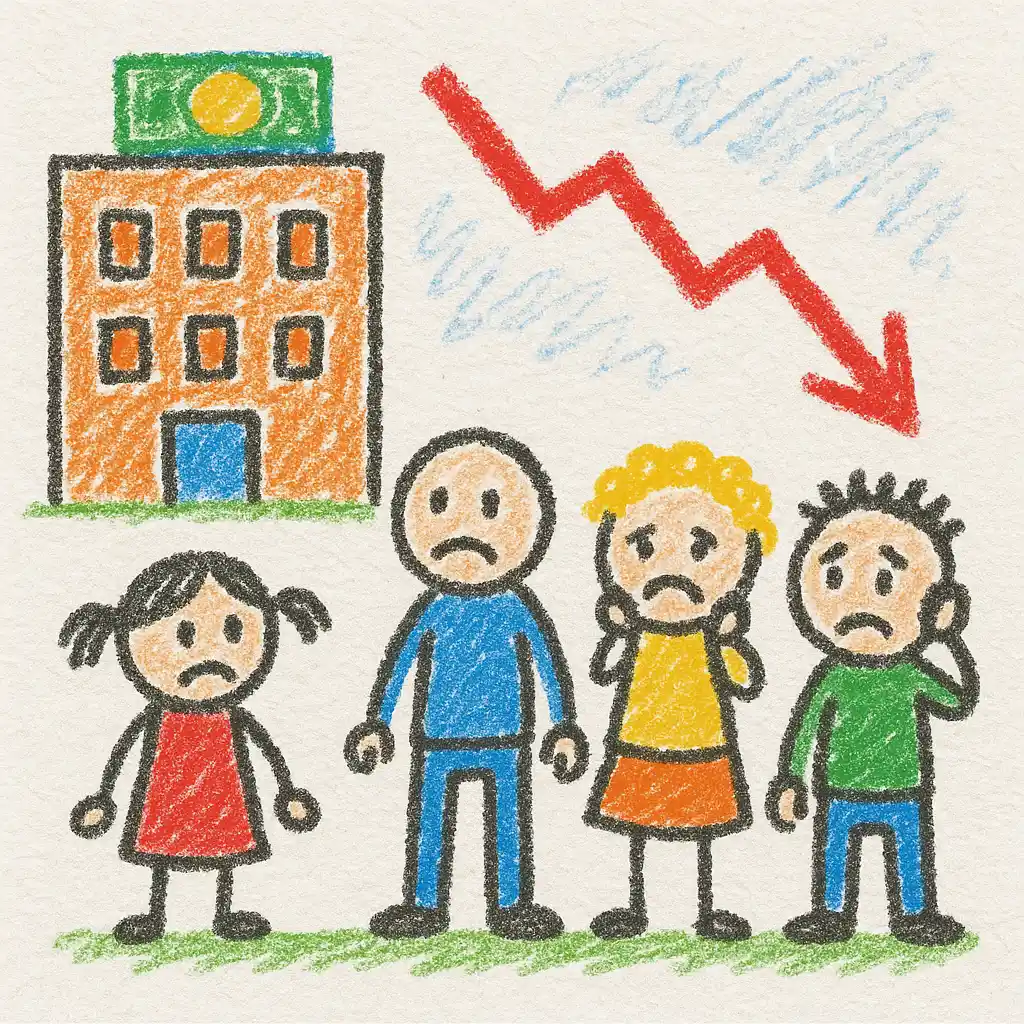
This issue isn't just about unexpected bills; it's a financial strain and brings up questions about fairness and legal rights. Why is the company charging more after the deal was made? It could be due to changes in oil prices or company policies, but those reasons don't necessarily justify charging customers extra after an agreement was already in place. This situation highlights the importance of clear, fair business practices and consumer rights. It also sparks a discussion on whether there should be stricter regulations to prevent such scenarios. What happens next could influence how similar cases are handled in the future, potentially leading to new laws or changes in how companies operate.
Want to read the original story?
View Original Source