Iran's overlapping power centers make ending the war more complicated
Explain Like I'm 5
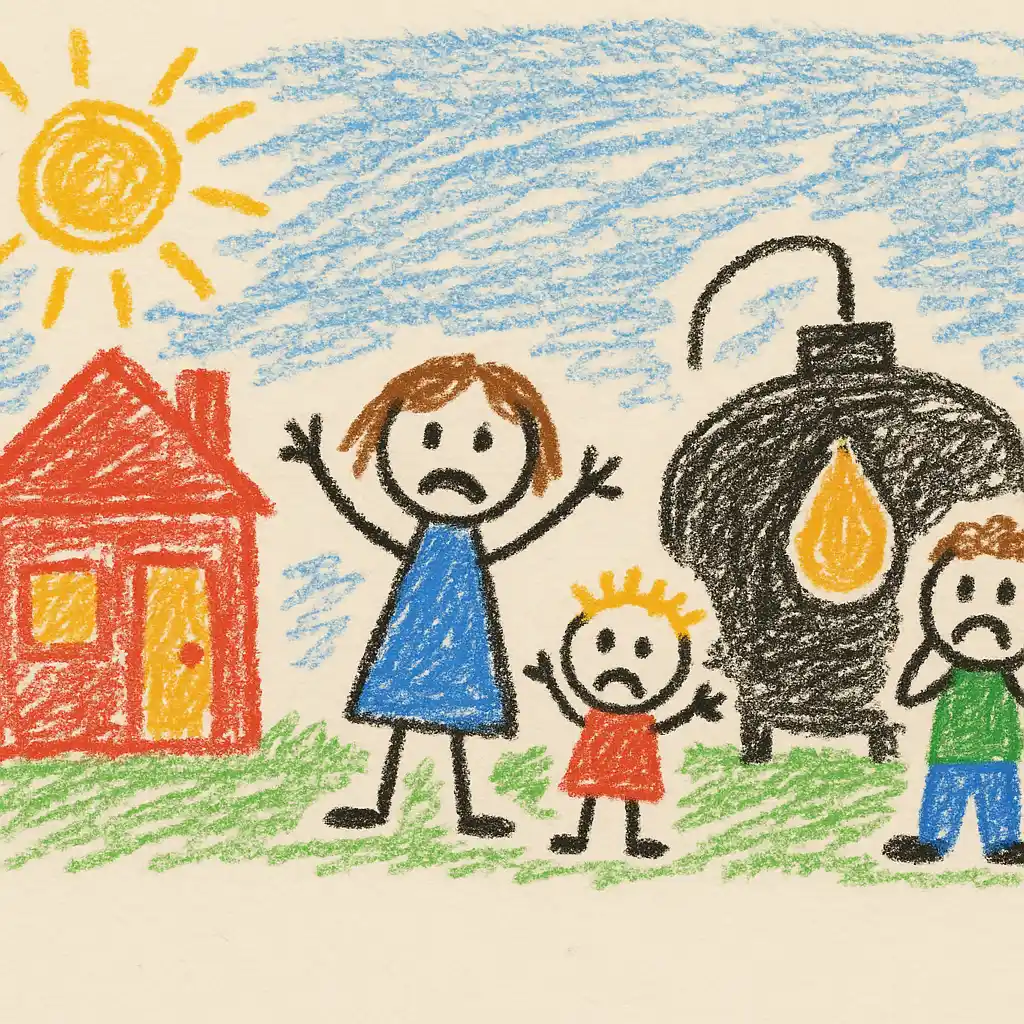
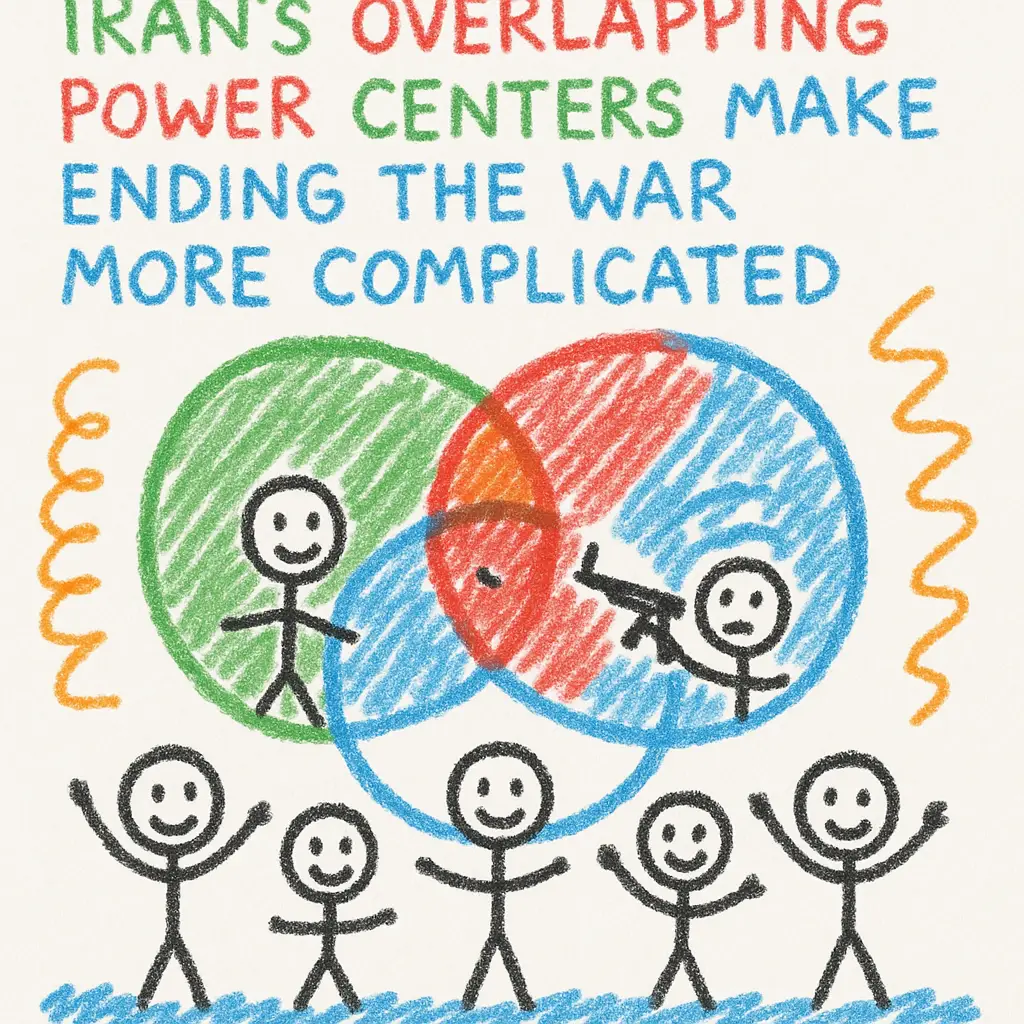
Imagine you have a toy box with lots of toys, but instead of just one person in charge of cleaning it up, you have your mom, dad, and a bunch of friends all trying to decide what to do. Each of them has their own ideas about what toys to keep or throw away, and it gets super messy! In Iran, there are a lot of important people, like the Supreme Leader and the Revolutionary Guards, who all have different ideas about what to do, especially when it comes to stopping a fight.
So, when everyone wants to play a different game, it makes it really hard to figure out how to make peace. The big takeaway? Too many cooks spoil the broth—or in this case, too many leaders make it hard to stop the war!
Explain Like I'm 10
Alright, so here’s the scoop: Iran is like a big puzzle with many pieces, and each piece represents a different group of people who have power. You’ve got the Supreme Leader at the top, who is like the head coach of a sports team, making the big decisions. But then there are also the Revolutionary Guards, who are like the team’s defense—super strong and sometimes they want to play by their own rules.
Right now, there are tensions between Iran and the U.S., and everyone is trying to figure out how to stop the fighting. But since there are so many leaders with different ideas, it’s tough to come to an agreement about a ceasefire, which is like saying, “Okay, let’s stop the game for a bit.” This situation is complicated, and any time one group tries to make a move, another group might not agree. So, it’s like trying to organize a group project when no one can agree on the topic!
Explain Like I'm 15
So, let’s dig deeper into Iran’s situation. The country has a very complex power structure that involves multiple influential groups, each with its own agenda. At the top, there's the Supreme Leader, who has the final say on major issues. Then you have the Revolutionary Guards, a powerful military group that also acts independently and has significant influence over Iran's foreign policy. This overlap means that reaching consensus is not just a matter of negotiation; it’s like trying to herd cats—each cat wants to go its own way!
The current conflict with the U.S. adds another layer to this mess. There's a lot of history here—decades of tension and mistrust have built a precarious situation. A ceasefire may sound straightforward, but with so many power centers, the question is: who actually has the authority to make that call? If one group agrees but another opposes it, the whole process can easily fall apart.
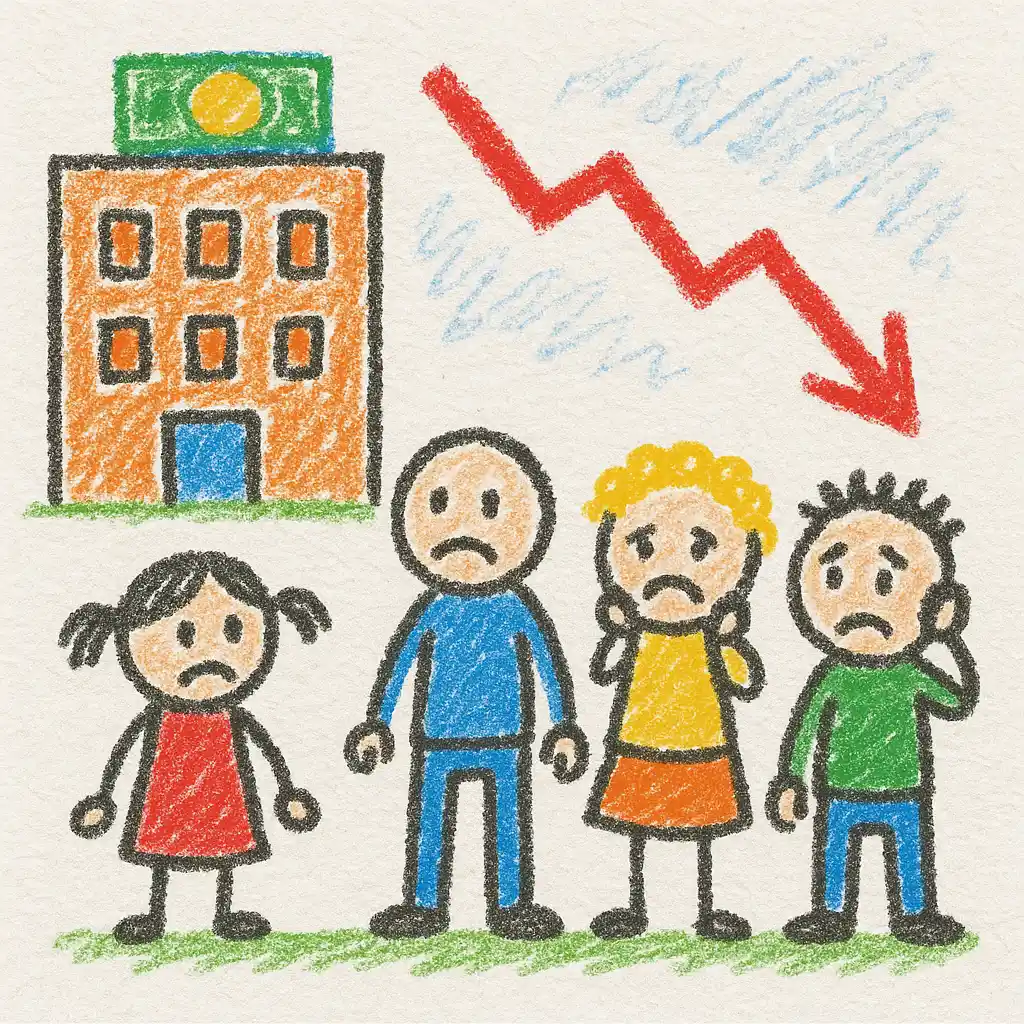
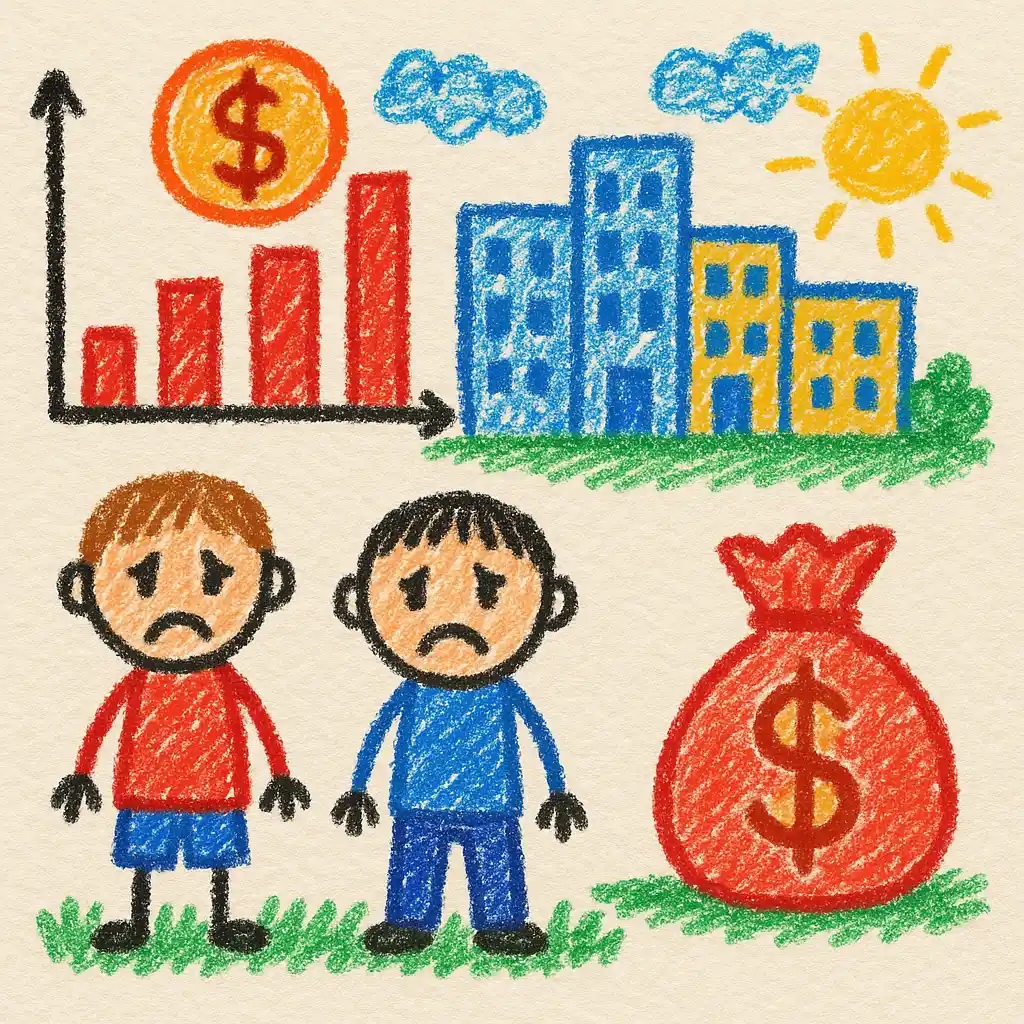
The broader implications of this power struggle are significant. Economically, ongoing conflict can lead to sanctions and isolation, impacting the Iranian people and their livelihoods. Socially, it creates divisions within Iran as different factions vie for power. Politically, it complicates international relations, making it harder for other countries to engage with Iran constructively. Experts suggest that until there’s a clearer understanding of who holds the real power, any efforts for peace will remain shaky at best. So, as we watch this unfold, the key question remains: can Iran find a unified voice, or will the internal divisions keep the war going?
Want to read the original story?
View Original Source