Londoners face hidden poverty premium, study says
Explain Like I'm 5
Imagine you have a piggy bank where you save money to buy your favorite toys. Now, imagine if some of your toys suddenly cost more coins than they do for your friends. That wouldn’t feel fair, right? Well, there’s a study that says some families in London have to pay more money than others just to buy the same everyday things like soap, food, or bus tickets. This means they have fewer coins left for other fun stuff or important things. Just because they don’t have a lot of money, everything costs them extra coins!
Explain Like I'm 10
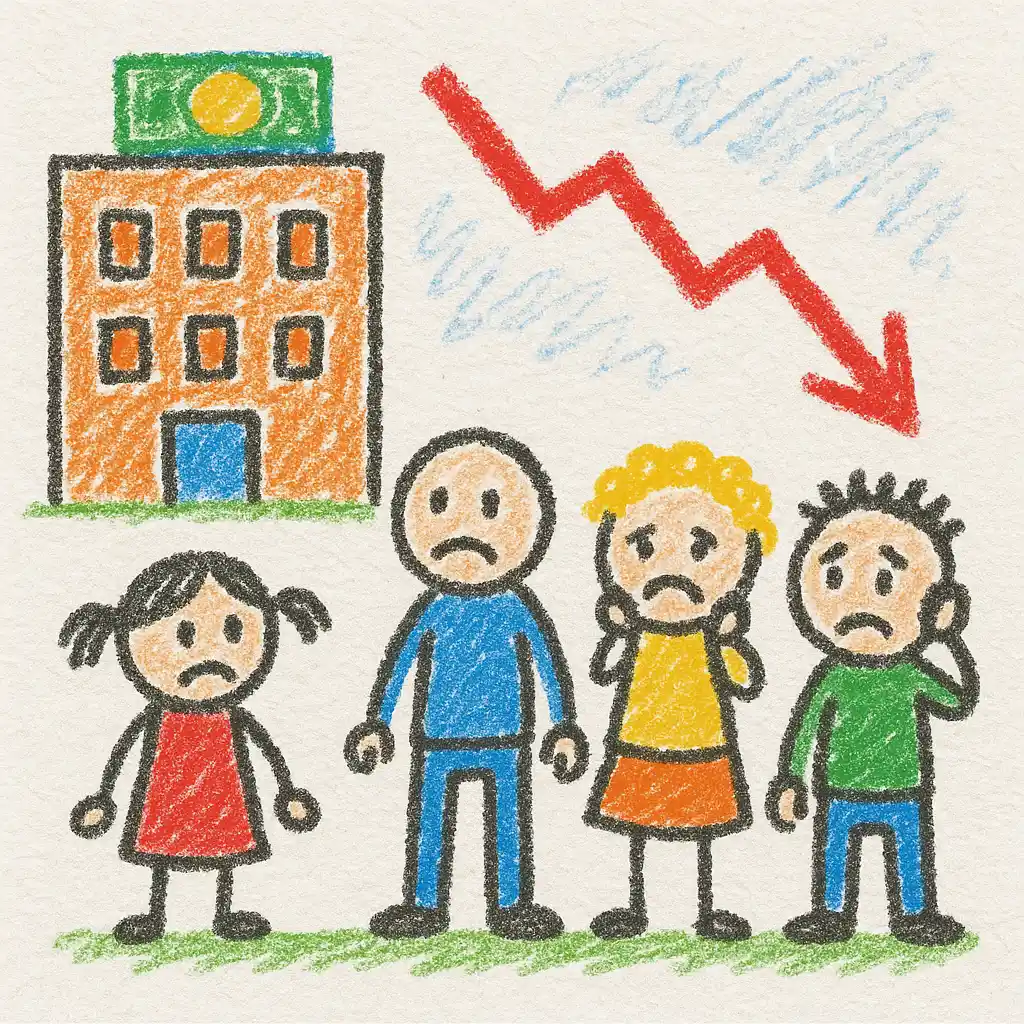
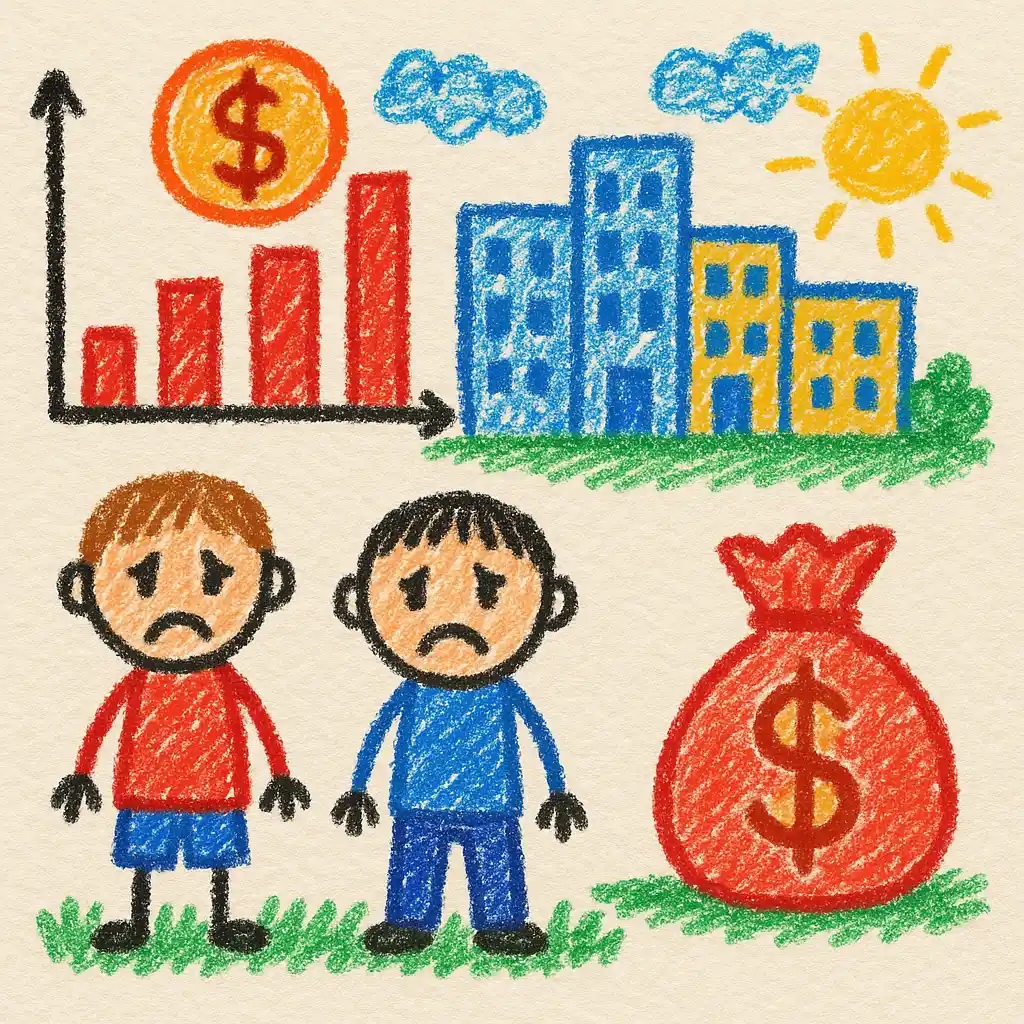
So, in London, which is a big city in the UK, there's been a study showing that families who don't have a lot of money end up paying more than wealthier families for the same basic things like groceries, heating, or getting around the city. Think of it like this: if two people buy the same basket of fruits, but one person has to pay £5 more just because they live in a certain area or can't buy a bigger basket to get a discount, that’s not really fair. This extra cost, over £600 a year, is called the "poverty premium." It happens because sometimes, when families have less money, they can’t buy things in bulk or choose cheaper long-term plans, and that ends up costing them more in the long run.
Explain Like I'm 15
In London, a recent study highlighted a significant issue known as the "poverty premium." This refers to the extra amount of money that low-income households have to pay for everyday goods and services compared to those with higher incomes. This premium can add over £600 annually to their expenses. This happens because poorer families often can't afford to buy in bulk or pay for yearly subscriptions that offer discounts, which are more manageable for wealthier families. They also might live in areas where prices are higher or have less access to cheaper shopping options.
This isn’t just about extra costs. It affects their quality of life and limits their access to opportunities that others take for granted. Economically, this creates a cycle that's hard to break out of, reinforcing inequality. Socially, it can make disparities more visible and persistent. Politically, understanding and addressing these issues is crucial for fostering a fair society. Looking ahead, experts argue that policies need to focus on equalizing access to affordable goods and services to tackle this systemic problem. This could include improving transportation in less affluent areas or regulating prices to avoid such a stark difference based on income levels.
Want to read the original story?
View Original Source